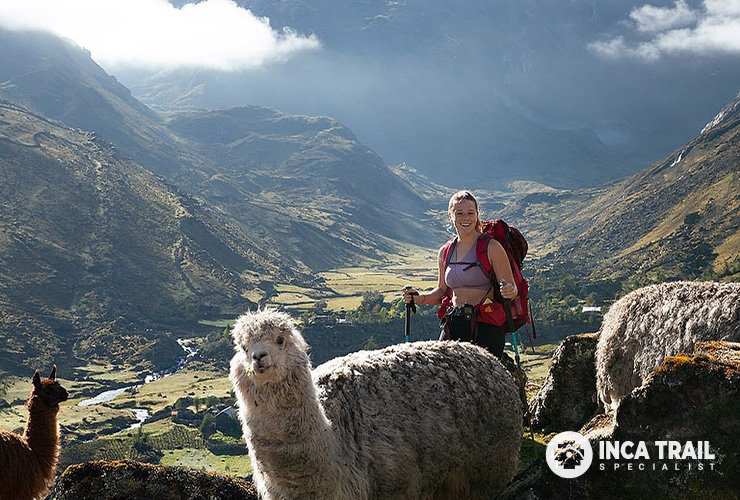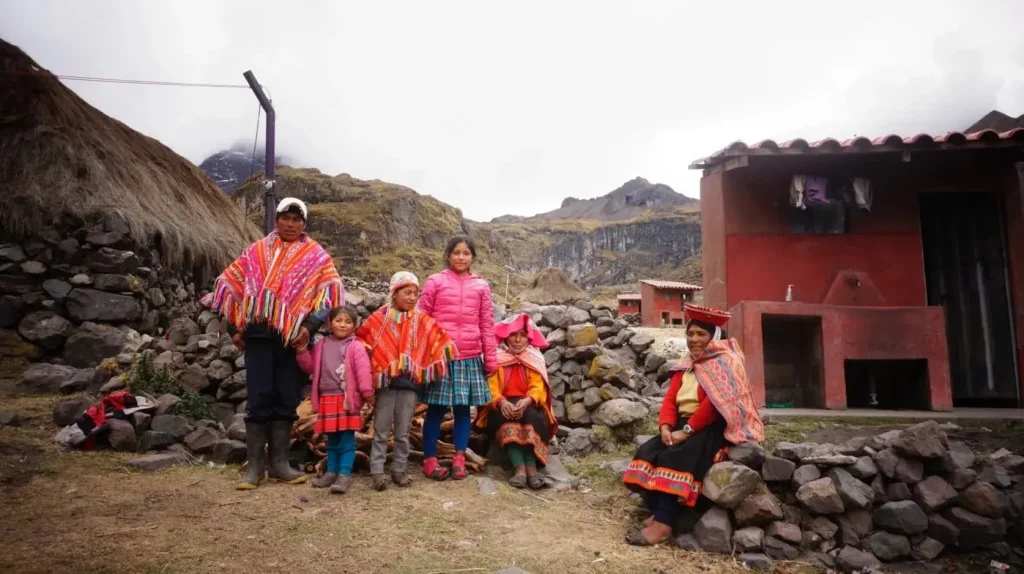
A reliable Lares Trek packing list must prepare you for strong sun, rain, freezing nights and a high pass at approximately 4,830 metres. The route changes elevation quickly, so the best approach is to dress in layers and keep essential weather protection in your daypack.
This checklist is designed for the four-day Pumahuanca–Siclla Qasa route to Machu Picchu. It separates what you should carry during the day from equipment transported by the trekking team.
Essential Lares Trek packing list
- Original passport
- Waterproof hiking boots
- Small daypack with rain cover
- Waterproof jacket and trousers
- Thermal base layers
- Fleece and insulated jacket
- Warm hat, gloves and sun hat
- Sunglasses and high-SPF sunscreen
- Reusable water bottles or hydration system
- Headlamp with spare batteries
- Personal medication and toiletries
- Cash in Peruvian soles
- Swimsuit and small towel
What should go in your daypack?
Your daypack should contain everything needed between breakfast and camp. Pack animals may travel separately, so you cannot assume immediate access to your main duffel.
- Water
- Rain jacket and waterproof trousers
- Fleece or insulated layer
- Warm hat and gloves
- Sun hat, sunglasses and sunscreen
- Snacks
- Camera or phone
- Personal medication
- Toilet paper and hand sanitizer
- Passport in waterproof protection
A capacity of approximately 20 to 30 litres is normally sufficient. Avoid carrying unnecessary weight; altitude makes every extra kilogram feel heavier.
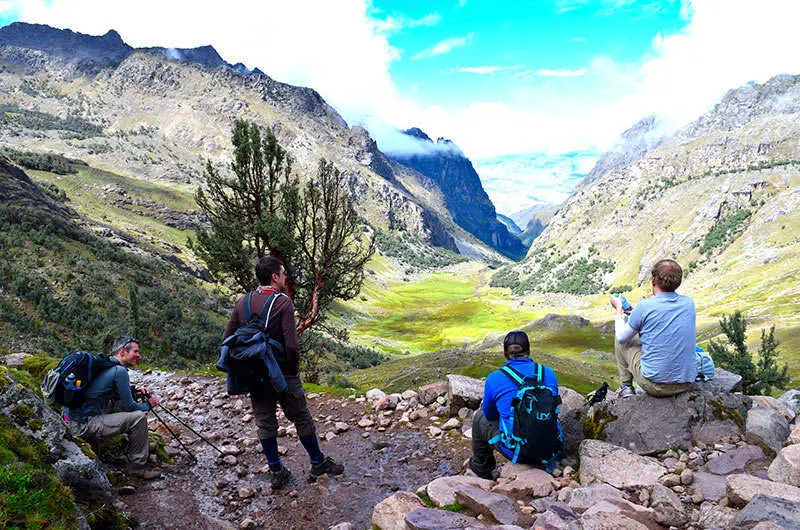
Clothing for changing mountain weather
Base layers
Pack moisture-wicking shirts and thermal underwear. Synthetic or merino fabrics dry faster than cotton and remain more comfortable after sweating.
Mid layers
A fleece or warm synthetic jacket provides insulation during rest stops and at camp. Two lighter layers are more adaptable than one bulky sweater.
Insulated jacket
A down or synthetic insulated jacket is important for evenings above 4,000 metres. Keep it dry inside a waterproof bag.
Waterproof shell
Bring a genuine waterproof jacket rather than only a windbreaker. Waterproof trousers are valuable during the rainy season and useful against wind near the pass.
Hiking trousers
Use flexible, quick-drying trousers. Jeans are heavy, restrict movement and remain wet for a long time.
Footwear
Wear broken-in waterproof hiking boots with good grip and ankle support. Never begin a multi-day trek in new boots. Complete several long walks in them before traveling.
Pack three or four pairs of hiking socks and keep one pair completely dry for sleeping. Lightweight sandals or camp shoes allow your feet to recover and are useful at the Lares Hot Springs.
Cold-weather equipment
Nights at Puyoc can fall below freezing. Bring a warm hat, insulated gloves, thermal sleepwear and a sleeping bag designed for cold mountain conditions. A liner can add warmth but does not replace an appropriate sleeping bag.
Confirm whether the operator provides a sleeping bag or rents one separately. The Lares Trip package lists sleeping bags as available for rent.
Sun protection
Ultraviolet exposure is intense at altitude even when the air feels cold. Pack high-SPF sunscreen, UV-protective sunglasses, lip balm with SPF and a hat that protects your face and neck.
Reapply sunscreen during the day. Clouds do not remove the risk of sunburn.
Water and snacks
Carry at least two reusable bottles or a hydration reservoir with enough capacity for the day’s longest section. Ask when safe drinking water will be provided and whether purification is required.
Meals are included during the trek, but familiar snacks help maintain energy when altitude reduces appetite. Choose nuts, chocolate, dried fruit or energy bars that are easy to eat while walking.
Health and personal items
- Prescription medication in original packaging
- Blister treatment
- Personal pain relief approved by your doctor
- Insect repellent for lower elevations
- Hand sanitizer
- Biodegradable wipes
- Toothbrush and small toothpaste
- Menstrual products if required
- Small quick-drying towel
Discuss altitude medication with a qualified healthcare professional before traveling. Do not rely on medication as a substitute for acclimatization.
Documents, money and electronics
Your original passport is required for Machu Picchu admission and train boarding. The document should match the information used for the reservation.
Carry Peruvian soles for hot-spring admission, personal purchases and tips. ATMs are not available on the trekking route.
Bring a power bank, charging cables and waterproof protection for electronics. Cold reduces battery life, so keep batteries close to your body at night.
What to pack for the Lares Hot Springs
- Swimsuit
- Small quick-drying towel
- Sandals
- Plastic or waterproof bag for wet items
- Warm layer for immediately after bathing
These items can remain in your main duffel if the trekking team confirms that it will be available at the pools.
What should the trekking company provide?
A supported package should clearly state whether it provides tents, sleeping mats, dining equipment, meals, emergency oxygen, first aid and transport of group gear. Ask about the personal duffel allowance and whether sleeping bags and trekking poles cost extra.
The Lares Trip 4-day itinerary includes camping equipment, meals during the trek, a professional guide, transport, emergency oxygen and a hotel in Aguas Calientes. Sleeping bags and trekking poles are optional rentals.
What not to pack
- Heavy suitcases
- New or untested boots
- Multiple cotton outfits
- Large quantities of toiletries
- Valuable jewellery
- Speakers or unnecessary electronics
- Single-use plastics where reusable options exist
Leave your main luggage at your Cusco accommodation. Bring only what is needed for the four-day itinerary.
Dry-season packing adjustments
From May through August, prioritize extra warmth for clear, freezing nights. Rain remains possible, so do not remove waterproof clothing from the list. Dust protection and lip balm are also useful.
Rainy-season packing adjustments
From November through March, add waterproof trousers, extra dry socks, pack liners and stronger protection for electronics. Separate camp clothing inside sealed dry bags.
Compare conditions in our month-by-month Lares weather guide.
Frequently asked questions
How heavy should my daypack be?
Keep it as light as practical, generally around 5–7 kg or less. Carry only water, clothing layers, snacks and daily essentials.
Do I need trekking poles?
They are strongly recommended for the long descent from the high pass and for wet or uneven terrain.
Do I need a sleeping bag?
Yes. High camps are cold. Confirm the required temperature rating and whether rental is included.
Can I wear running shoes?
Trail-running shoes may suit experienced hikers in dry conditions, but waterproof hiking boots provide more support and protection for most travelers.
Is a passport copy enough?
No. Carry the original passport used to make the Machu Picchu and train reservations.
Final packing advice
Pack for cold, rain and strong sun rather than for a single forecast. Test your boots, daypack and layers before traveling, and review the Lares Trek altitude profile so you understand why accessible layers matter.
For destination planning, transport and cultural context, read the complete Lares, Peru travel guide.