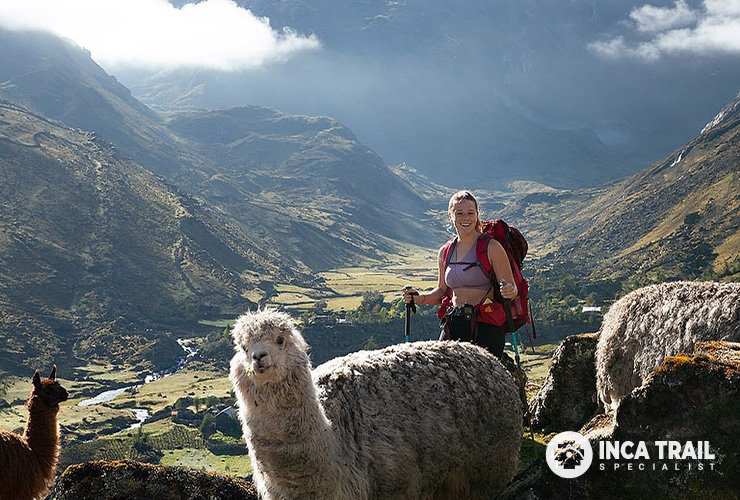

The Lares Hot Springs are natural thermal pools surrounded by steep Andean mountains in the Cusco region of Peru. Located just outside the town of Lares, they are a relaxing destination on their own and a popular stop before or after hiking through the Lares Valley.
This guide covers how to reach the pools from Cusco, expected travel times, water temperatures, entrance information, altitude, what to pack and how to combine the hot springs with a Lares Trek.
Lares Hot Springs: quick facts
- Location: Lares District, Calca Province, Cusco
- Elevation: approximately 3,250 metres (10,663 feet)
- Distance from Lares main square: approximately 1.2 kilometres
- Travel time from Cusco: approximately 3.5 hours by road
- Number of pools: six pools of different sizes and temperatures
- Water temperature: approximately 35°C to 48°C (95°F to 118°F)
- Payment: carry cash in Peruvian soles
- Best for: relaxing, photography, camping and beginning or ending a Lares trek
Where are the Lares Hot Springs?
The thermal baths are located near the town of Lares in Calca Province, north of the Sacred Valley. The entrance is about 1.2 kilometres from the main square of Lares. Peru’s official tourism inventory estimates approximately three minutes by local taxi or around 14 minutes on foot along a paved road.
The journey from Cusco normally follows the road toward Pisac and Calca before climbing through the mountains to Lares. The final section offers wide views of cultivated slopes, small villages and the high Andes.
For a wider introduction to the destination, read our complete Lares, Peru travel guide.
What are the thermal pools like?
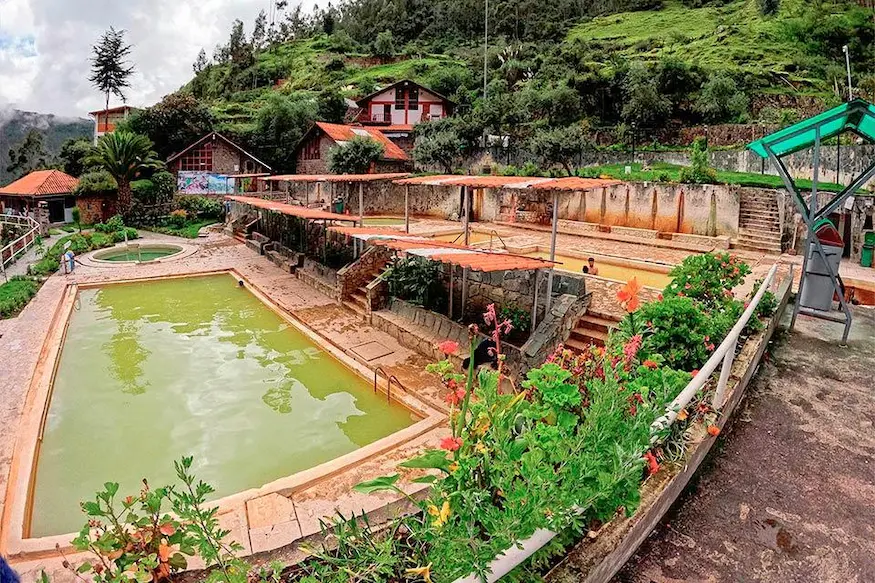
The complex has six pools with different depths, sizes and temperatures. The water moves between the pools through channels, allowing visitors to choose a temperature that feels comfortable. According to the MINCETUR tourism inventory, temperatures range from approximately 35°C to 48°C.
The mineral-rich water may have a yellow or ochre appearance. This is a natural characteristic of the thermal water rather than a sign that the pool is dirty. The setting is simple and scenic, with mountains rising around the valley and space nearby for visitors who want to camp.
Start with a cooler pool and allow your body to adjust before entering hotter water. Take regular breaks, drink water and avoid spending a long uninterrupted period in the hottest pool.
Lares Hot Springs entrance fee and opening hours
Official online sources currently show different reference prices. Peru’s tourism portal lists S/10 for foreign adults, while the MINCETUR inventory lists S/15. Published hours also vary between official listings.
Because prices, schedules and maintenance closures can change, treat online figures as a reference rather than a guaranteed rate. Confirm the current information with your accommodation, tour operator or the Municipality of Lares before making a special trip. Bring small notes and coins because card payments should not be assumed.
The Municipality of Lares publishes local contact information and tourism notices. Arriving during daylight is the safest option if you are traveling independently.
How to get to the Lares Hot Springs from Cusco
Private transport or organized tour
Private transport is the most convenient option. Your driver can collect you from a Cusco hotel, travel through Calca and continue directly to Lares. This is particularly useful for families, small groups or travelers carrying trekking equipment.
The drive usually takes about three and a half hours each way, depending on traffic, weather, stops and road conditions. A same-day return is possible, but it creates a long day with considerable driving.
Public transport
Independent travelers generally travel from Cusco to Calca and look for onward local transport to Lares. Services may not follow a tourist-friendly timetable, and the final departure back toward Calca can vary.
Ask about the return schedule before continuing to Lares. If you arrive late or want to enjoy the pools without watching the clock, staying overnight is more comfortable than relying on the final vehicle of the day.
Walking from the town of Lares
From the main square, the thermal baths are close enough to reach on foot. The official tourism inventory lists the route as approximately 1.2 kilometres on a paved road. Keep a waterproof layer with you because mountain weather can change quickly.
Best time to visit the Lares Hot Springs
The thermal baths can be visited throughout the year. The best period depends on whether you are visiting only the pools or combining them with a trek.
- April to May: green landscapes and improving road and trail conditions after the wet season.
- June to August: generally clearer days, but very cold mornings and evenings.
- September to October: a useful balance between drier conditions and slightly milder nights.
- November to March: more rain, cloud and possible delays on mountain roads.
Weekdays are usually a better choice if you prefer a quieter experience. Weekends and Peruvian public holidays can attract more local visitors.
What to bring
- Swimsuit
- Quick-drying towel
- Sandals or water-resistant footwear
- Warm clothing for after the bath
- Waterproof jacket
- Sunscreen and sunglasses
- Reusable water bottle
- Cash in Peruvian soles
- Waterproof bag for your phone and valuables
- Personal toiletries
- Headlamp if you are camping
The air can feel cold immediately after leaving a hot pool, especially near sunset. Keep your towel and warm layer close instead of leaving them at the bottom of a packed backpack.
Facilities and camping
The official tourism inventory lists basic services at the thermal complex, including parking, toilets, electricity, potable water and areas where camping is possible. Facilities in remote Andean destinations can be simpler than those at an urban spa, so arrive with realistic expectations and bring essential personal supplies.
If you want to camp, verify the current camping fee and access rules when you arrive. Nights at roughly 3,250 metres can be cold even after a sunny day. Use a sleeping bag rated for low temperatures, an insulated sleeping mat and reliable rain protection.
Altitude and health considerations
The Lares Hot Springs sit at approximately 3,250 metres above sea level. Visitors arriving directly from a lower elevation may experience headache, fatigue, nausea or shortness of breath.
Acclimatize in Cusco or the Sacred Valley before visiting, drink water and avoid excessive alcohol. Hot water can cause dizziness or dehydration, so enter gradually and take breaks. Leave the pool if you feel light-headed.
Travelers who are pregnant or have heart, blood pressure or other medical conditions should ask a healthcare professional whether prolonged exposure to hot thermal water is appropriate.
Combining the hot springs with the Lares Trek
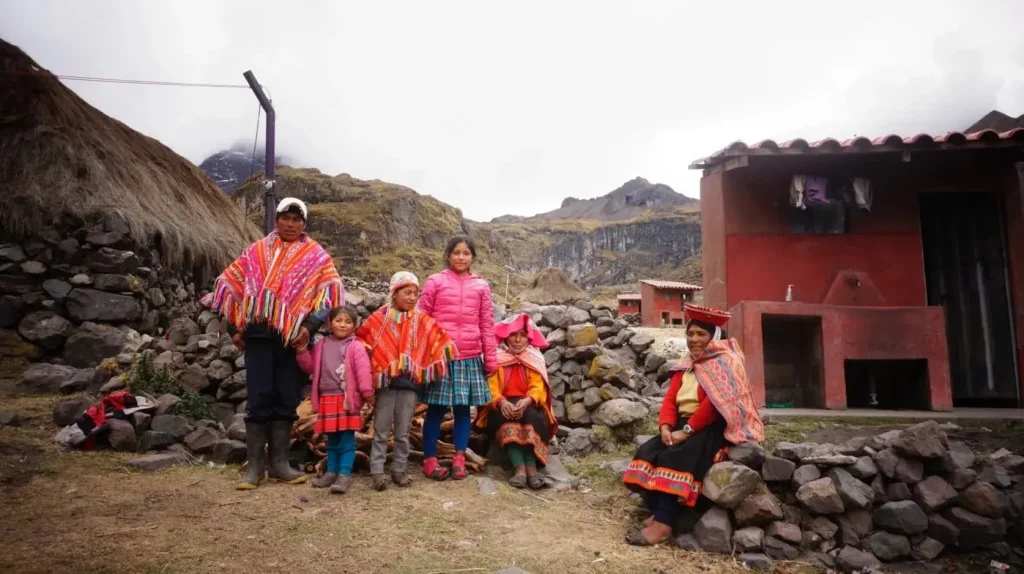
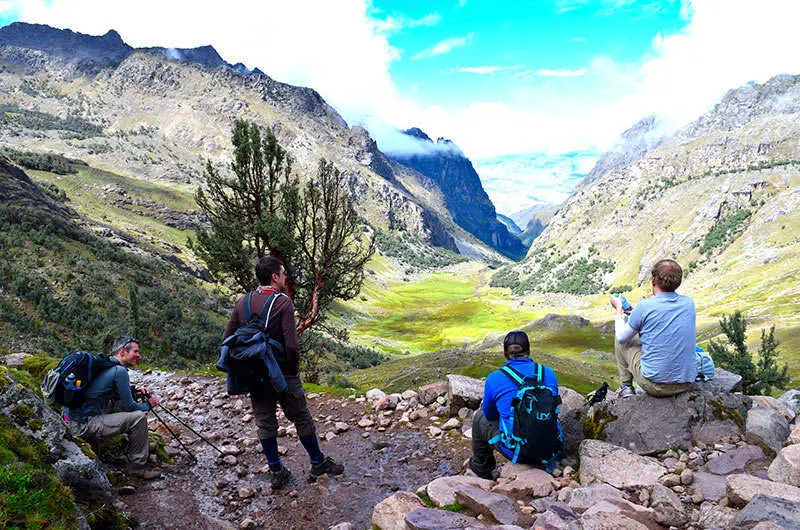
The pools are often used as a relaxing beginning or ending to a trek through the Lares Valley. Routes vary, but multi-day itineraries can connect high passes, glacial lakes and Quechua-speaking communities before continuing toward the Sacred Valley and Machu Picchu.
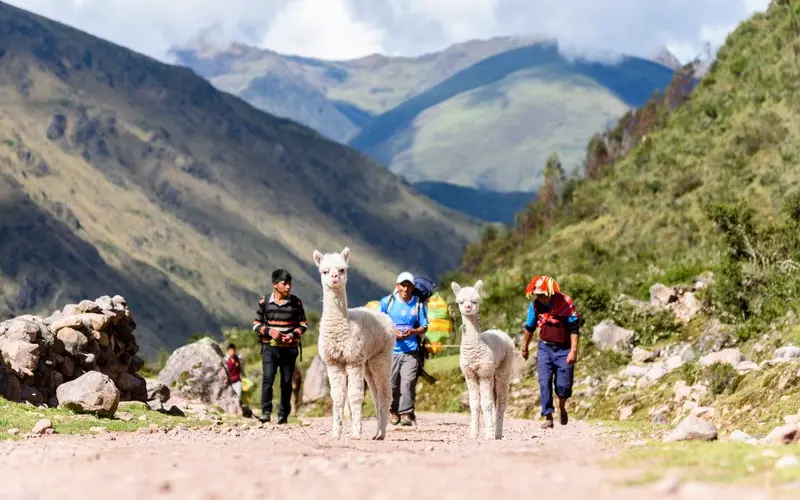
If you want a complete trekking experience, our Lares Trek 4 Days to Machu Picchu includes high-Andean hiking, community encounters and a visit to Machu Picchu. Organized transport removes the uncertainty of local connections and allows the itinerary to account for weather and group ability.
Sample one-day visit from Cusco
- Early morning: depart Cusco by private vehicle.
- Late morning: arrive in Lares and continue to the thermal baths.
- Midday: enjoy the pools and take a break for lunch.
- Early afternoon: walk around the area or return to town.
- Afternoon: begin the drive back to Cusco before dark.
This schedule is possible but involves about seven hours of driving. An overnight stay provides more time at the pools and a less hurried experience.
Responsible visiting tips
- Use the changing and toilet facilities provided.
- Do not use soap or shampoo inside the thermal pools.
- Take all rubbish with you or use designated bins.
- Keep noise low, especially early in the morning and at night.
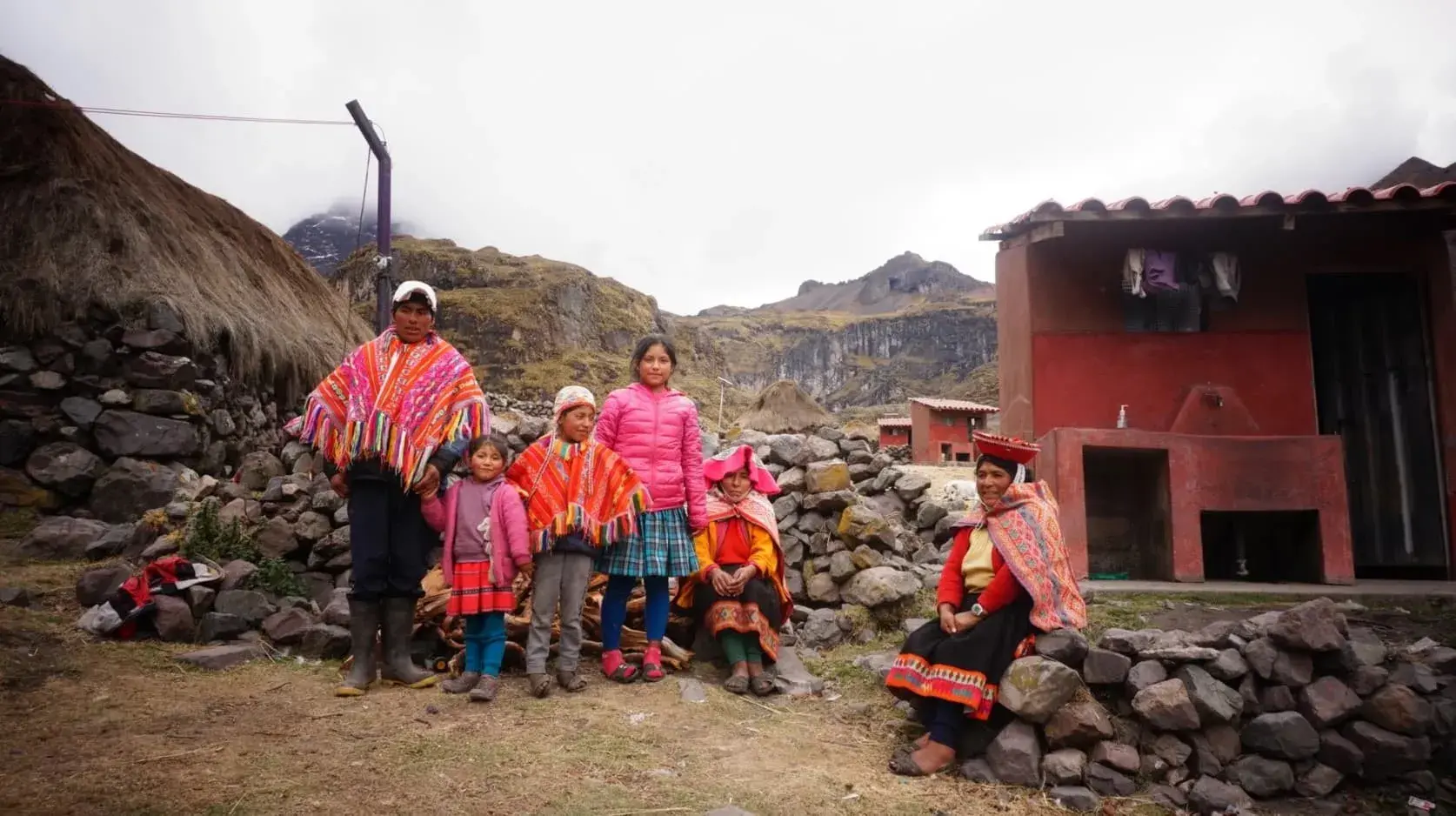
- Ask before photographing local residents.
- Support local businesses by buying food, transport or handicrafts locally.
- Follow staff instructions and respect any temporarily closed pools.
Frequently asked questions
Are the Lares Hot Springs natural?
Yes. The pools are supplied by naturally heated mineral water and are managed as a local tourism attraction.
How hot is the water?
The official tourism inventory reports temperatures between approximately 35°C and 48°C. Different pools allow visitors to choose a comfortable temperature.
Can you swim in the Lares Hot Springs?
The pools are primarily designed for soaking and relaxing rather than lap swimming. Follow posted rules and staff guidance.
How far are the hot springs from Cusco?
The journey takes approximately three and a half hours by road. Travel time can vary because of weather, traffic and stops.
Can I visit without a tour?
Yes. Independent travel is possible through Calca, but onward schedules can vary. Private or organized transport is easier for a same-day visit.
Is camping available?
Official tourism information lists camping areas near the thermal baths. Confirm current access and fees locally and bring equipment suitable for a cold night at altitude.
Are the Lares Hot Springs suitable for children?
Families can visit, but adults should supervise children closely, choose a moderate-temperature pool and limit time in hot water.
Plan your visit to Lares
The Lares Hot Springs are worth visiting for their mountain setting as much as for the thermal water. They work well as an overnight escape from Cusco or as part of a longer journey through the Lares Valley.
Contact the Lares Trip team for current local conditions, private transport or help combining the thermal baths with a trek to Machu Picchu.