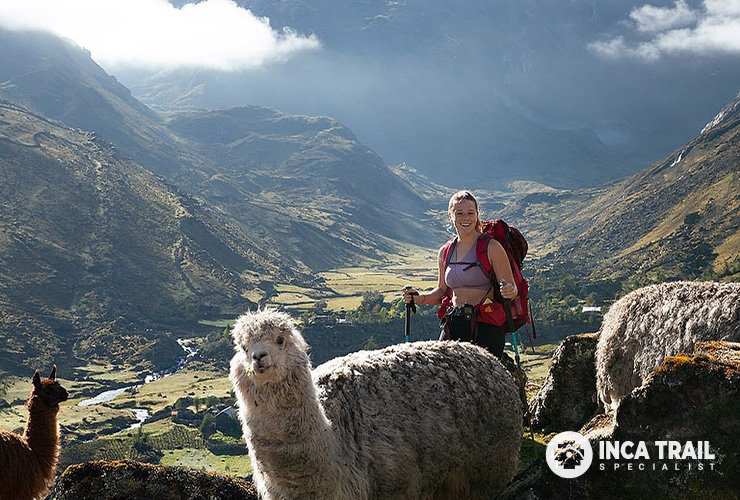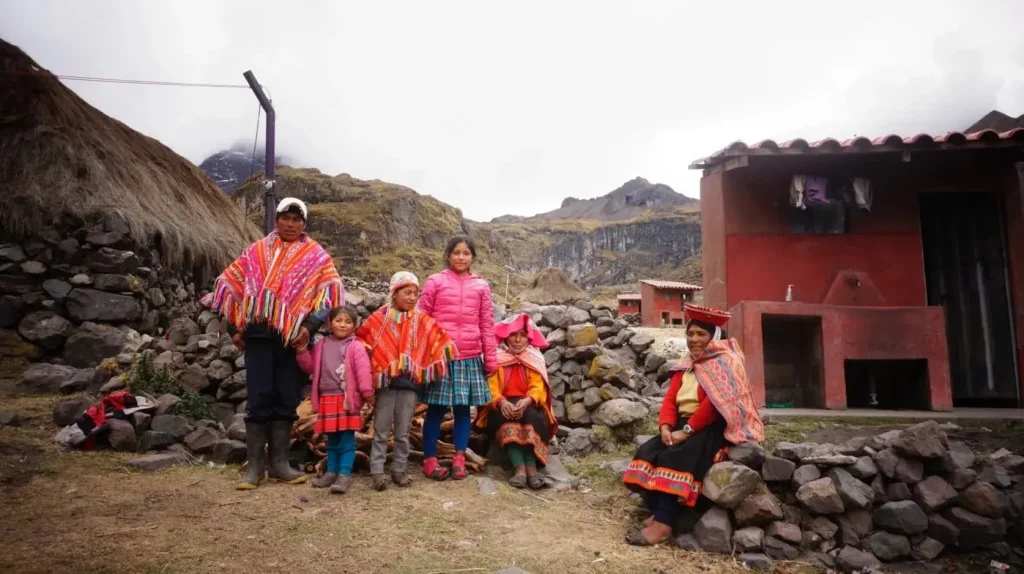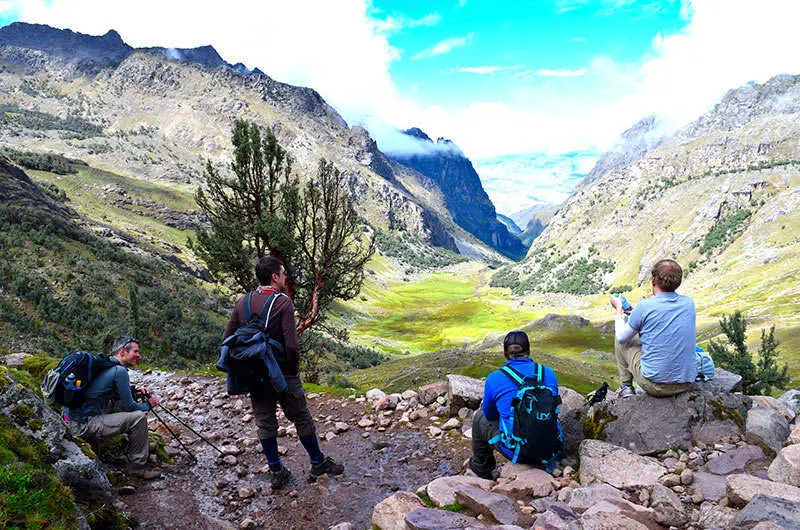
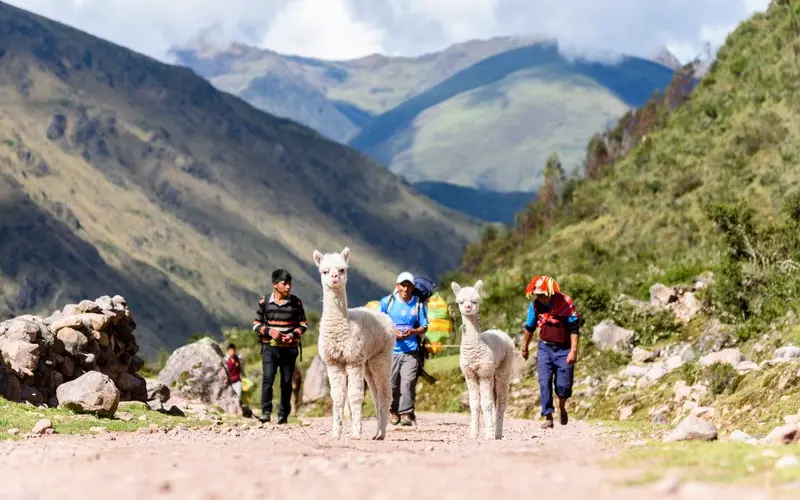
The Lares Trek offers exceptional photography: glacial lakes, high passes, changing weather, alpaca herds, Quechua communities and the final Machu Picchu visit. The best photographs come from preparation and respect, not from carrying the largest camera kit.
Photography essentials
- Best lightweight setup: one camera and versatile lens
- Protection: waterproof dry bag and lens cloth
- Power: spare batteries and power bank
- People: always ask permission
- Altitude: keep equipment accessible without overloading the daypack
- Backup: use multiple memory cards
Best photography subjects
The route begins in the Pumahuanca area and climbs toward high camps and Siclla Qasa. Wide landscapes, mountain weather and grazing animals dominate the first section. The descent toward Cuncani introduces homes, fields, clothing and community life.
Later opportunities include the Lares Hot Springs, Sacred Valley transport, train journey and Machu Picchu. Each environment requires different pacing and courtesy.
Camera and lens choices
A phone or compact camera is enough for strong travel photographs. Interchangeable-lens users can cover most situations with a versatile standard zoom. An ultrawide lens emphasizes landscapes, while a moderate telephoto helps isolate mountain layers and photograph animals from a respectful distance.
Every extra lens adds weight and creates more opportunities for dust or rain to reach the sensor. Choose a kit you can carry comfortably above 4,000 m.
Protecting equipment
- Keep the camera inside a waterproof liner or dry bag.
- Carry a microfiber cloth for rain and condensation.
- Use a simple rain cover for shooting in drizzle.
- Keep batteries warm during cold nights.
- Allow cold equipment to warm gradually before opening bags in humid rooms.
- Never place equipment where pack animals or hikers can step on it.
Batteries and charging
Do not expect reliable electricity at mountain camps. Bring fully charged spare batteries and a power bank. Cold reduces battery performance, so store batteries in an inner pocket or insulated pouch overnight.
Landscape photography tips
Use people, trails or animals to show scale. Look for layers created by ridges and clouds rather than photographing only the highest peak. Morning and late-afternoon light can add texture, but weather may determine the schedule.
Do not fall behind the group while waiting for light. Tell the guide before stopping and move when instructed.
Photographing communities respectfully
Ask before photographing any person, especially children. Permission to enter a village or buy a textile is not automatic permission for a portrait. Accept refusal immediately.
Your guide can help ask in Quechua or Spanish. Show the photograph afterward when welcomed. Avoid turning daily life, poverty or traditional clothing into a visual stereotype.
Textile photography
Ask the maker before photographing a textile, loom or demonstration. Capture hands and process only with consent. A purchase does not buy image rights, and a photograph does not replace fair payment for an arranged demonstration.
Animals and the environment
Use distance rather than approaching livestock or wildlife. Never feed animals for a photograph. Stay on the trail, avoid trampling vegetation and pack out every battery wrapper or cleaning wipe.
Phone photography
Turn on airplane mode to preserve power, download offline maps and carry a short charging cable. Use exposure compensation when bright clouds cause the landscape to appear too dark. Clean the lens frequently; a pocket lens collects dust and fingerprints quickly.
Drone photography
Do not assume drone flights are permitted. Aviation, archaeological-site, protected-area, privacy and local community rules may apply, while wind and altitude affect safe operation. Obtain current written authorization from every relevant authority and operator before carrying or launching a drone.
Machu Picchu photography
Machu Picchu has controlled circuits and visitor rules. Carry a compact setup, remain on the assigned path and follow staff instructions. Large professional equipment, tripods or commercial production may require separate authorization.
Backup strategy
Use several smaller memory cards rather than one card for the entire trip. When possible, copy files to a phone or compact storage device in Aguas Calientes. Keep used cards separate from empty cards.
Frequently asked questions
Do I need a professional camera?
No. Light, composition and access matter more than equipment price.
Can I charge at camp?
Plan as if no charging is available and carry spare power.
Can I photograph local people?
Only after receiving clear permission. Ask again for each situation.
Should I bring a tripod?
A small support may help at camp, but weight and Machu Picchu restrictions make a full tripod inconvenient.
Travel light and photograph responsibly
A compact, weather-protected kit leaves more energy for hiking and more attention for the experience itself.
Plan with the Lares travel guide, understand the communities, review the packing list and explore the Lares Trek 4 Days.