
Lares, Peru, is a high-Andean destination where mountain landscapes, Quechua-speaking communities, thermal baths and multi-day trekking routes come together. Located in the Cusco region, the Lares Valley feels quieter and less commercial than many stops in the Sacred Valley, making it a rewarding choice for travelers who want culture, scenery and outdoor adventure in the same trip.
This guide explains where Lares is, how to get there from Cusco, when to visit, what to do, how the altitude may affect you and how to choose between a short visit and a longer trek to Machu Picchu.
Lares, Peru: quick facts
- Region: Cusco
- Province: Calca
- Elevation: approximately 3,227 metres (10,587 feet) in the town of Lares
- Travel time from Cusco: approximately 3.5 hours by road
- Known for: thermal baths, Andean villages, traditional textiles and trekking
- Best overall period: April to October for generally drier trail conditions
- Recommended stay: one day for the town and hot springs, or three to four days for a trek
Where is Lares in Peru?
Lares is a district and town in Calca Province, north of the Sacred Valley of the Incas. The road from Cusco passes through Calca before climbing into a landscape of steep mountains, farming terraces and small rural communities.
According to Peru’s official tourism portal, Lares is about 3,227 metres above sea level and the overland journey from Cusco takes approximately three and a half hours. Travel times can increase during the rainy season, roadworks or local events, so it is sensible to keep your schedule flexible.
Why visit Lares?
Lares offers more than a single attraction. It is a destination for travelers who want to slow down, walk through high-altitude landscapes and learn about everyday life in the Andes. A visit can include a soak in natural thermal pools, a guided trek past glacial lakes, time in weaving communities and a connection with Machu Picchu through Ollantaytambo.
The valley is especially appealing if you prefer smaller groups and quieter trails. Unlike the Classic Inca Trail, most Lares routes do not require a limited Inca Trail permit. The exact path can also vary, allowing an experienced operator to adapt the itinerary to the season, group ability and local conditions.
Best things to do in Lares
1. Relax in the Lares Hot Springs
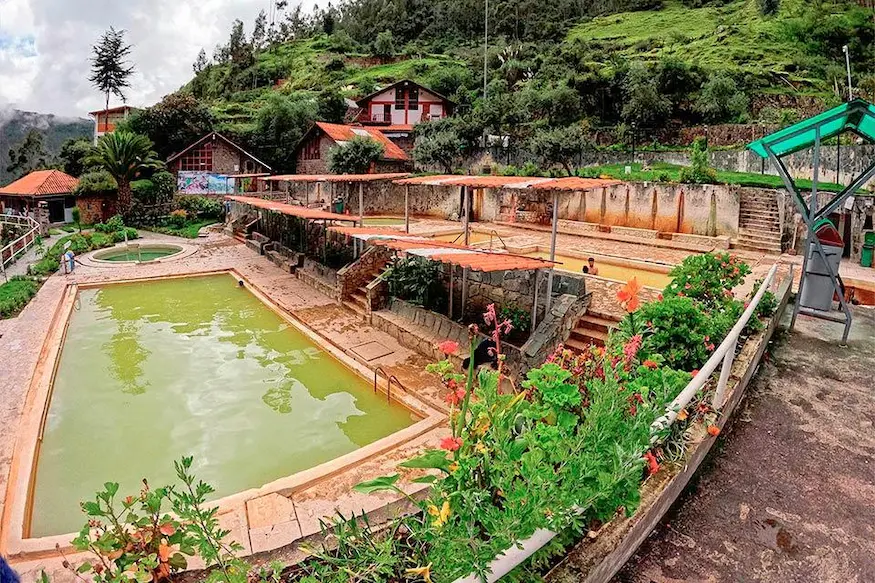
The Lares Hot Springs are the town’s best-known attraction. The thermal complex sits roughly 1.2 kilometres from the main square and is easy to reach on foot or by a short local ride.
Peru’s official tourism inventory describes six pools with different depths and temperatures of approximately 35°C to 48°C (95°F to 118°F). The pools are located at about 3,250 metres above sea level and are surrounded by steep green mountains. Facilities and entrance prices can change, so carry Peruvian soles and confirm the current rate locally before entering.
Use our complete Lares Hot Springs visitor guide for current entrance guidance, transport options, packing advice and camping information.
Bring a swimsuit, towel, sandals, warm clothing for afterward and a waterproof bag for electronics. Drink water and avoid staying too long in the hottest pool, particularly if you have just arrived at altitude.
2. Hike the Lares Trek
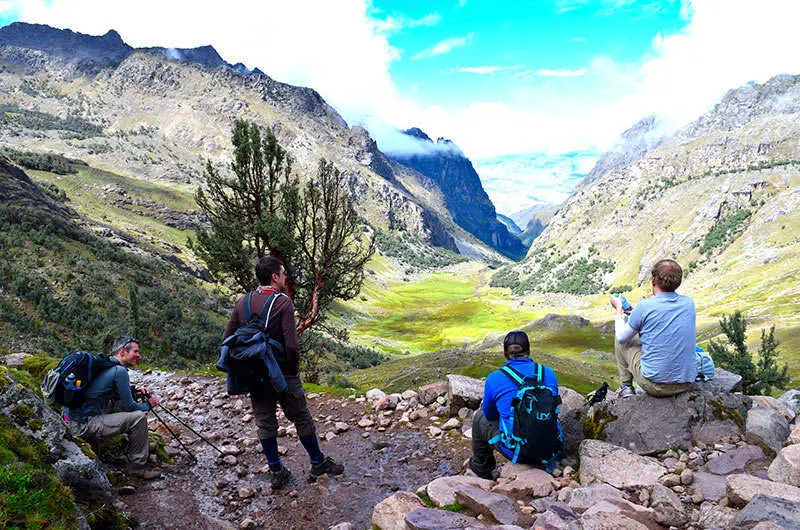
The Lares Trek is not one fixed trail. It is a network of routes connecting valleys, mountain passes, lakes and rural communities between the Lares area and the Sacred Valley. Most itineraries last three or four days and finish with a transfer or train connection toward Machu Picchu.
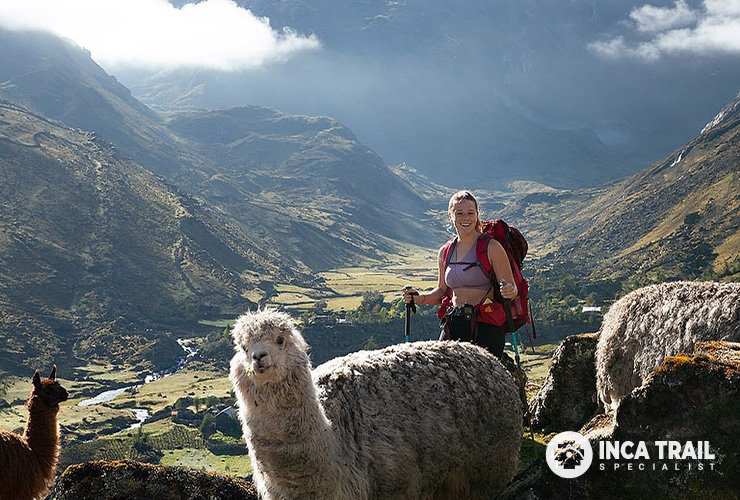
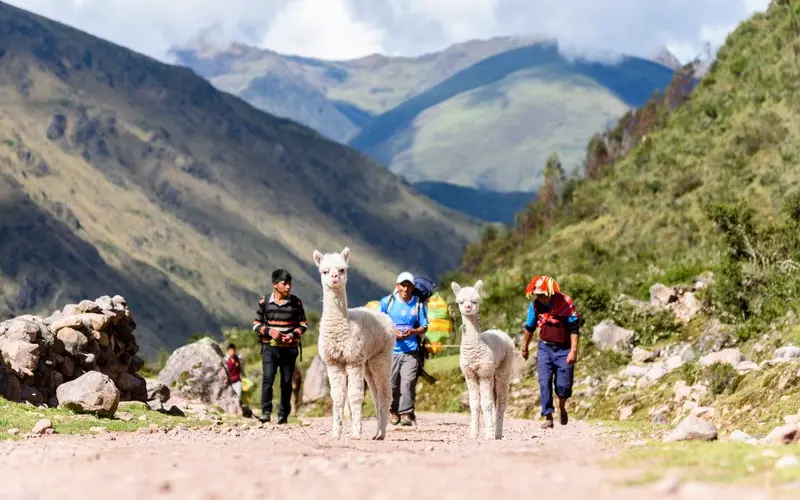
A typical trek includes sustained climbs, high passes above 4,000 metres, cold nights and long descents. The reward is an uncrowded landscape where you may see alpacas, llamas, potato fields, glacial lagoons and snow-covered peaks.
Our Lares Trek 4 Days to Machu Picchu combines guided hiking, community encounters and a visit to Machu Picchu. It is a strong option for travelers who want an alternative to the Classic Inca Trail without missing Peru’s most famous archaeological site.
3. Visit Andean weaving communities
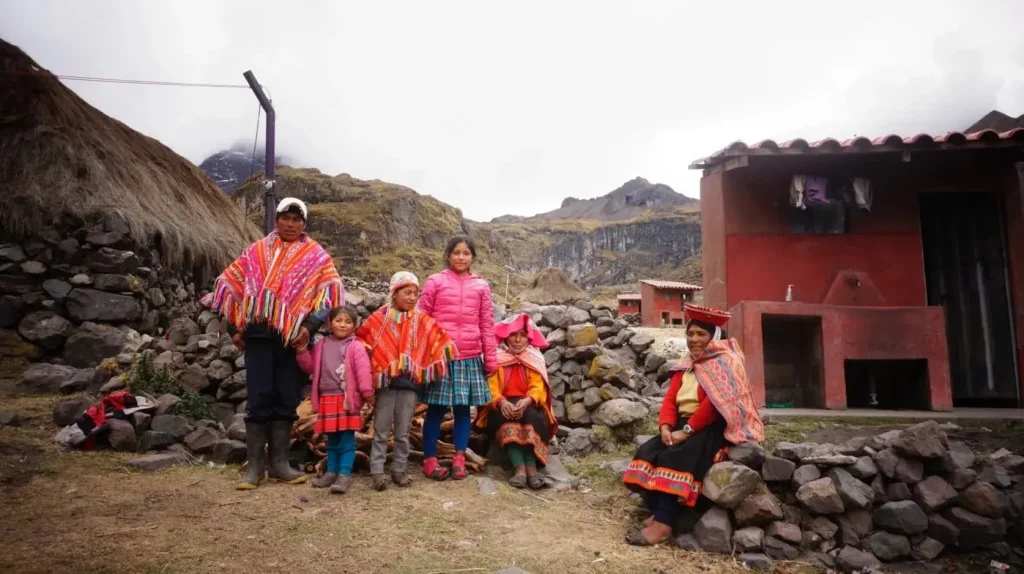
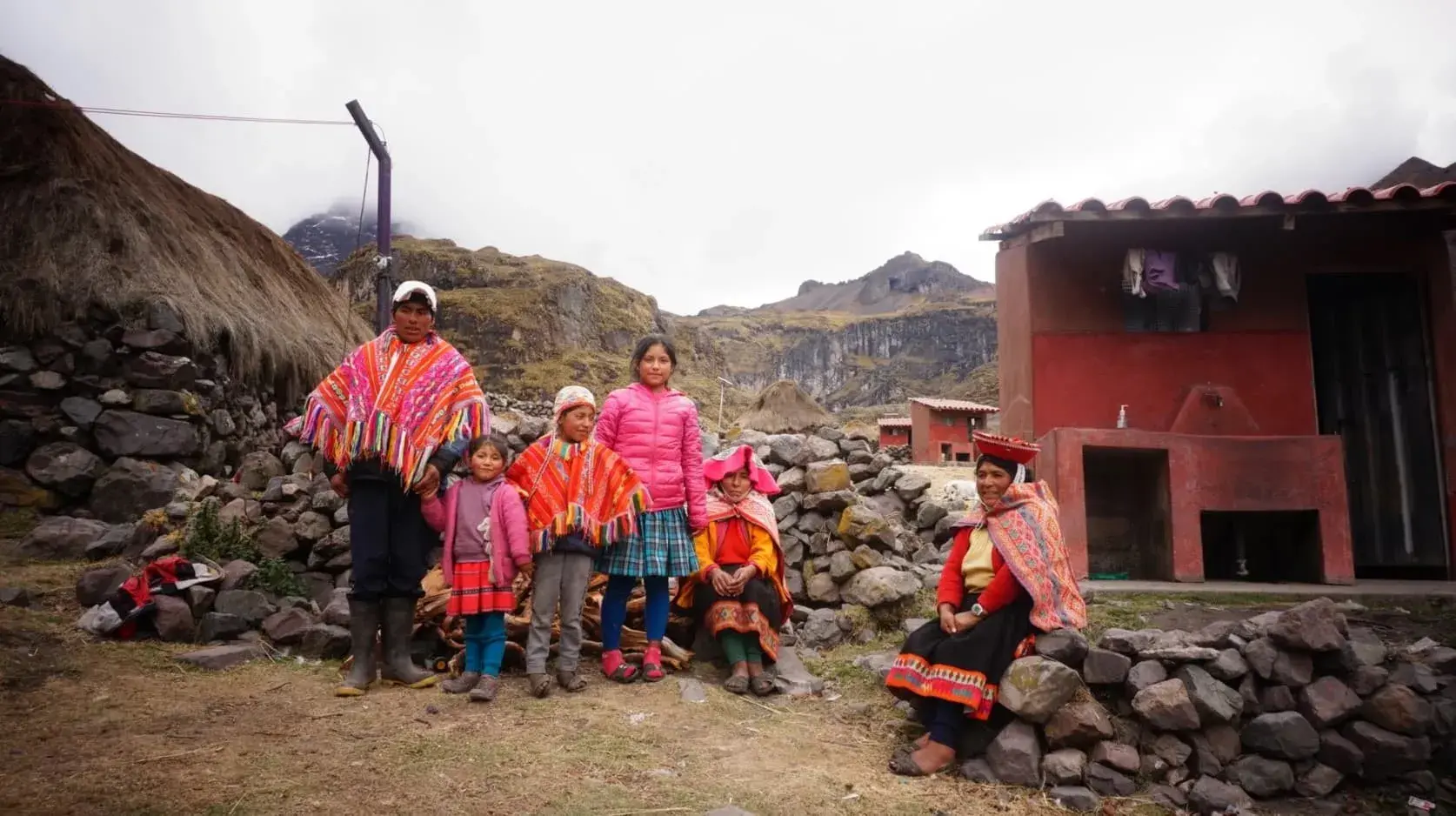
The Lares Valley is home to Quechua-speaking communities where families continue to herd alpacas and llamas, cultivate native crops and produce textiles using knowledge passed between generations. Depending on the route, a trek may visit communities such as Huacahuasi, Cuncani, Choquecancha or Patacancha.
A respectful visit is not a staged photo opportunity. Travel with a local guide, ask before photographing people, avoid handing out sweets or money to children and buy textiles directly from artisans when possible. This creates a more balanced exchange and supports the people who maintain the valley’s living traditions.
4. See glacial lakes and high mountain passes
Lares trekking routes cross a remarkable range of terrain. You may walk beside clear lagoons, climb over windswept passes and descend into warmer valleys in a single day. Conditions change quickly at elevation, and clouds can obscure the peaks even during the drier months.
The landscape is beautiful but demanding. A licensed guide, appropriate camping equipment and a carefully planned pace are important for a safe experience.
How to get to Lares from Cusco
The usual road route is Cusco to Pisac or Calca, then Calca to Lares. Official tourism information estimates approximately 3.5 hours from Cusco, although private transport may be faster or slower depending on stops and road conditions.
Private or organized transport
This is the simplest option for a trek or a day focused on the hot springs. A private vehicle can collect you from your hotel, stop when needed and coordinate with your guide and trekking team.
Public transport
Independent travelers can first reach Calca from Cusco and continue by local transport toward Lares. Departures and availability may vary, especially later in the day. Ask locally about the final return service before leaving Calca, carry cash and avoid building a tight connection around an uncertain schedule.
Best time to visit Lares
Lares can be visited throughout the year, but the experience changes with the seasons.
- April to May: the landscape is often green after the rains, with improving trail conditions and fewer visitors than in peak season.
- June to August: days are generally clearer and drier, but nights at camp can be very cold.
- September to October: a good balance of milder nights, relatively dry trails and moderate visitor numbers.
- November to March: rain is more frequent, clouds can reduce visibility and trails may be muddy or affected by local road conditions.
Weather in the Andes is never completely predictable. Pack for sun, wind, rain and cold regardless of the month.
Lares altitude and acclimatization
The town of Lares is high enough for some visitors to feel headache, tiredness or shortness of breath. Trekking routes climb considerably higher, often crossing passes above 4,000 metres.
Spend at least two days acclimatizing in Cusco or the Sacred Valley before a demanding trek. Walk slowly, drink water, avoid excessive alcohol and tell your guide immediately if symptoms worsen. Severe headache, confusion, loss of coordination or breathlessness at rest require prompt descent and medical attention.
What to pack for Lares
- Broken-in hiking boots with good grip
- Moisture-wicking base layers
- Warm fleece or insulated jacket
- Waterproof jacket and rain cover
- Sun hat, warm hat and gloves
- High-SPF sunscreen and sunglasses
- Reusable water bottle
- Personal medication and a small first-aid kit
- Cash in Peruvian soles
- Swimsuit, towel and sandals for the hot springs
- Portable battery and waterproof protection for electronics
Lares Trek vs. Inca Trail vs. Salkantay Trek
| Route | Best for | Main experience | Permit situation |
|---|---|---|---|
| Lares Trek | Culture and quieter trails | Communities, lakes, passes and textiles | No limited Classic Inca Trail permit for most routes |
| Classic Inca Trail | Archaeology and iconic arrival | Inca sites and entry to Machu Picchu through the Sun Gate | Limited permits required |
| Salkantay Trek | Big mountain scenery | High pass, changing ecosystems and a longer approach | No Classic Inca Trail permit, but Machu Picchu entry is required |
Choose Lares if living culture and a quieter trail matter more to you than walking directly into Machu Picchu. Choose the Classic Inca Trail for archaeology and the Sun Gate arrival. Choose Salkantay for a more strenuous route dominated by mountain scenery.
How many days do you need in Lares?
A long day trip from Cusco is possible if your priority is the hot springs, but much of the day will be spent driving. One night allows a slower visit to the town and surrounding area. For trekking, plan three to four days plus time in Cusco before departure to acclimatize.
If Machu Picchu is part of your plan, allow an additional night near the sanctuary or choose an itinerary that already includes transport, accommodation and entrance arrangements.
Frequently asked questions about Lares, Peru
Is Lares worth visiting?
Yes. Lares is worth visiting for travelers interested in Andean culture, mountain scenery, thermal baths and less crowded trekking routes. It is especially rewarding when visited with a knowledgeable local guide.
Can you visit Lares without trekking?
Yes. You can travel to the town, visit the hot springs and return without completing a multi-day hike. An overnight stay is more relaxed than a same-day return to Cusco.
Do you need a permit for the Lares Trek?
Most Lares routes do not require the limited permit used for the Classic Inca Trail. However, tickets are still needed for Machu Picchu, train services and any regulated attractions included in your itinerary.
Is the Lares Trek difficult?
The trek is moderately challenging to challenging because of the altitude, steep climbs, cold nights and high passes. Good general fitness, acclimatization and a steady pace are more important than technical climbing experience.
Are the Lares Hot Springs open all year?
Official tourism information lists year-round access, but maintenance, weather and local decisions can affect operations. Confirm current opening details before making a special trip.
Can children visit Lares?
Families can visit the town and thermal baths. A multi-day trek is better suited to older children who are active, acclimatized and comfortable with cold nights and long hiking days. Ask your operator to assess the chosen route.
Continue planning your Lares Trek
- Lares Hot Springs: Complete Visitor Guide
- Lares Trek Difficulty: How Hard Is It?
- Lares Trek Altitude and Elevation Profile
- Best Time to Hike the Lares Trek
- Lares Trek Packing List
- Lares Trek 4-Day Itinerary
- Lares Trek Cost and Inclusions
- How to get from Cusco to Lares
- Lares Trek vs Inca Trail
- Lares Trek vs Salkantay
- Inca Trail vs Salkantay vs Lares
- Lares communities and responsible travel
- Traditional Lares textiles and weaving
- Lares Trek permits and booking
- Lares Trek safety and altitude sickness
- Lares Trek accommodation and campsites
- How to train for the Lares Trek
- Lares Trek food and water
- Lares Trek frequently asked questions
- Lares Trek with kids and families
- Lares Trek for solo travelers
- Lares Trek photography guide
Plan your Lares adventure
Lares is one of the best places near Cusco to combine mountain trekking with meaningful cultural experiences. The right itinerary depends on your fitness, available time and interest in visiting Machu Picchu.
Explore the 4-Day Lares Trek to Machu Picchu
For current conditions, private departures or a route adapted to your group, contact the Lares Trip team before booking. We can help you choose the right season, hiking pace and level of support.