The Lares Trek reaches approximately 4,830 m / 15,846 ft, so altitude is its most important health consideration. Most prepared travelers complete the route safely, but fitness does not prevent altitude illness. Acclimatization, honest communication and willingness to stop ascending are essential.
This guide provides general travel information, not individual medical advice. Travelers with health conditions, previous severe altitude illness or medication questions should consult a qualified clinician before travel.
Critical altitude rules
- Know early symptoms and report them immediately.
- Do not ascend to sleep higher while symptoms are present.
- Descend if symptoms worsen despite rest or treatment.
- Confusion, loss of coordination or breathlessness at rest are emergencies.
How high is the Lares Trek?
Cusco is approximately 3,350 m above sea level. The four-day Lares route rises through Pumahuanca and Puyoc before crossing Siclla Qasa at about 4,830 m. It then descends toward Cuncani and Lares.
The high pass is considerably above the 2,500 m level where altitude illness becomes possible. Review the complete Lares altitude profile.
Acclimatize before departure
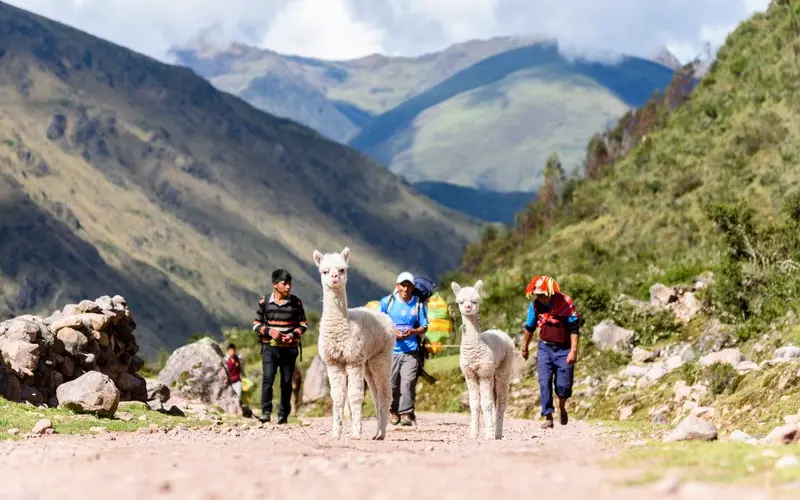
Arriving from sea level and beginning a high trek immediately increases risk. Spend at least two or three nights acclimatizing before departure. A gradual itinerary in the Sacred Valley can allow travelers to sleep lower than Cusco while making gentle daytime excursions.
Keep the first days easy, hydrate normally and avoid heavy exercise and excessive alcohol during the initial adjustment period.
Symptoms of acute mountain sickness
Acute mountain sickness commonly involves headache combined with tiredness, reduced appetite, nausea, vomiting, dizziness or disturbed sleep. Symptoms can resemble a hangover and should never be hidden from the guide.
A person with altitude symptoms should not continue ascending to sleep higher until symptoms resolve. Worsening symptoms require descent and professional assessment.
Emergency warning signs
High-altitude cerebral edema can cause severe fatigue, confusion, unusual behavior, drowsiness or loss of coordination. High-altitude pulmonary edema can cause breathlessness at rest, marked weakness and cough. Both can become fatal and require immediate descent and emergency care.
Emergency oxygen can support a response, but it does not replace descent or medical evaluation.
Medication and coca tea
Acetazolamide can be useful for some travelers, but it is a prescription medicine with individual considerations. Discuss prevention and dosing with a medical professional familiar with altitude travel.
Coca tea is culturally common and may feel comforting, but it should not be treated as a proven substitute for acclimatization, descent or medical care. Travelers subject to drug testing or international restrictions should also understand the implications of coca products.
Trail safety beyond altitude
- Use broken-in hiking boots with reliable grip.
- Carry waterproof layers and warm clothing.
- Use trekking poles on steep or wet descents.
- Stay with the group and follow guide instructions.
- Do not approach pack animals from behind.
- Use sun protection at high elevation.
- Treat drinking water as instructed by the operator.
- Keep medication in the daypack, not with transported luggage.
Weather and hypothermia
High camps can become cold rapidly after sunset. Wind, rain and wet clothing increase heat loss. Pack a dry base layer, insulated jacket, waterproof shell, gloves and warm hat, even when the Cusco forecast looks mild.
The rainy season can make paths slippery and affect roads. Operators may change a route when landslides, flooding or severe storms create risk.
Food, water and hygiene
Drink regularly but do not force excessive water. Eat enough carbohydrate-rich food to support long hiking days. Wash or sanitize hands before meals and after using toilet facilities.
Tell the operator about allergies or dietary restrictions before departure. Carry personal medication and a small reserve for delays.
Travel insurance
Choose a policy that explicitly covers trekking at the route’s maximum elevation and includes emergency evacuation. Standard travel insurance may exclude high-altitude activity. Save policy and emergency contact details offline.
Who should consult a doctor?
Travelers with heart or lung disease, sleep apnea, preexisting low oxygen levels, pregnancy, sickle-cell conditions or a history of serious altitude illness should seek individualized advice. Age and excellent fitness do not eliminate altitude risk.
Frequently asked questions
Can fit people get altitude sickness?
Yes. Physical fitness does not reliably predict who will develop altitude illness.
How many acclimatization days do I need?
At least two or three nights before the trek is a practical minimum for many travelers, though individual risk and prior exposure vary.
Does oxygen cure altitude sickness?
Oxygen may help during an emergency response, but worsening illness still requires descent and medical care.
Should I continue if I only have a headache?
Report it to the guide. Do not ascend to sleep higher while altitude symptoms are present; follow professional and guide advice.
Prepare conservatively
Good safety decisions matter more than reaching a pass on schedule. Acclimatize, communicate early and be willing to change the plan.
Use the Lares travel guide and packing checklist, review the difficulty guide and confirm safety logistics on the Lares Trek 4 Days.