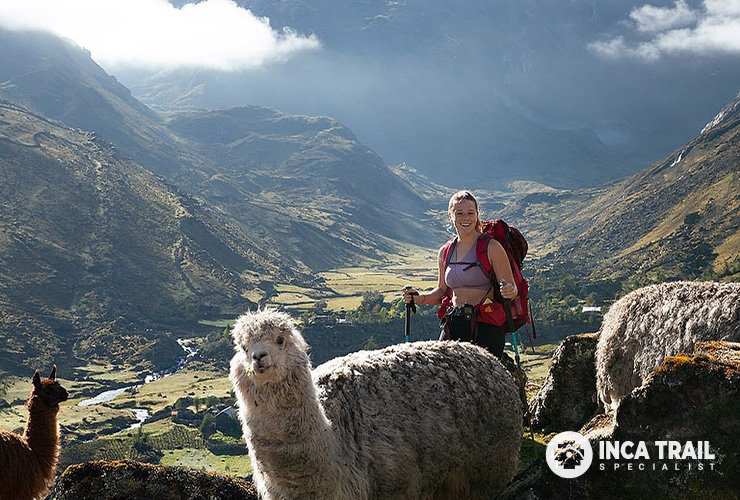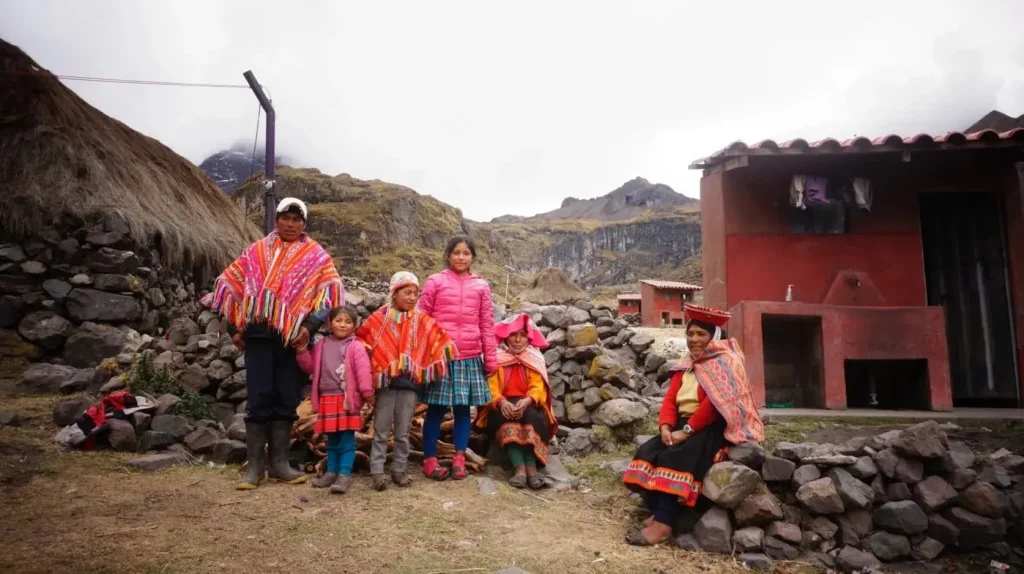
The Lares Trek is a challenging high-altitude hike, but it does not require technical climbing skills. The main difficulty comes from thin air, sustained uphill walking, cold nights and a high mountain pass rather than from exposed rock climbing or complicated navigation.
On the Pumahuanca–Siclla Qasa route used by Lares Trip, hikers cover approximately 40 to 45 kilometres (26 to 28 miles). The hardest section reaches Siclla Qasa Pass at about 4,830 metres (15,846 feet) before descending toward Cuncani and the Lares Hot Springs.
This guide explains how hard the Lares Trek really is, which day is most demanding, how fit you need to be and how to prepare safely.
Lares Trek difficulty at a glance
- Overall rating: challenging
- Technical level: non-technical hiking
- Walking distance: approximately 40–45 km (26–28 mi)
- Highest point: approximately 4,830 m (15,846 ft) on the Pumahuanca route
- Hardest day: the climb from Puyoc to Siclla Qasa Pass
- Main challenges: altitude, long ascents, cold, uneven terrain and consecutive hiking days
- Recommended preparation: regular cardio, hill walking and at least two or three acclimatization days
How hard is the Lares Trek?
For a healthy and active traveler who has acclimatized properly, the Lares Trek is achievable with preparation and a steady pace. It is harder than an ordinary countryside hike because the trail remains at high elevation for long periods. Even strong runners can find themselves moving slowly when oxygen levels fall near the pass.
The route does not involve ropes, scrambling or mountaineering equipment. However, hikers must be comfortable walking uphill for several hours, descending on uneven paths and sleeping in cold high-altitude camps.
We rate the trek as challenging rather than moderate because the Pumahuanca route climbs from roughly 3,150 metres to a high camp around 4,300 metres on the first day, then crosses a pass near 4,830 metres on Day 2. The altitude gain happens quickly, so acclimatization matters as much as physical fitness.
What makes the Lares Trek difficult?
High altitude
Altitude is the biggest challenge. The trek climbs substantially higher than Cusco and spends nights above elevations where some travelers experience headache, reduced appetite, disturbed sleep or shortness of breath.
Fitness does not prevent altitude sickness. A well-trained hiker can still feel unwell if they ascend too quickly or begin the trek without acclimatizing. Arrive in the Cusco region several days before departure, move slowly and tell your guide about symptoms early.
Long, sustained climbs
The first two hiking days contain extended ascents. Day 1 climbs through the Pumahuanca Valley toward the high camp at Puyoc. Day 2 continues upward to Siclla Qasa Pass before a long descent toward Cuncani.
The path may not look especially steep in every section, but climbing for hours at elevation is tiring. A controlled pace is more effective than trying to walk quickly and stopping repeatedly.
Cold nights and changing weather
Temperatures fall rapidly after sunset at high camps. Wind, rain, hail or strong sun can occur during the same trekking day. Cold can affect sleep and recovery, making the following morning feel harder.
Check the best time for the Lares Trek to compare dry-season conditions, cold nights and rainy-season trail risks.
A warm sleeping system, dry base layer, insulated jacket, gloves and waterproof shell make a major difference. Cotton clothing is a poor choice because it holds moisture and dries slowly.
Uneven descents
After the highest pass, the route loses considerable elevation. Downhill walking can place more stress on the knees than climbing. Trekking poles improve balance and reduce impact, especially when the trail is wet.
Several days away from normal comforts
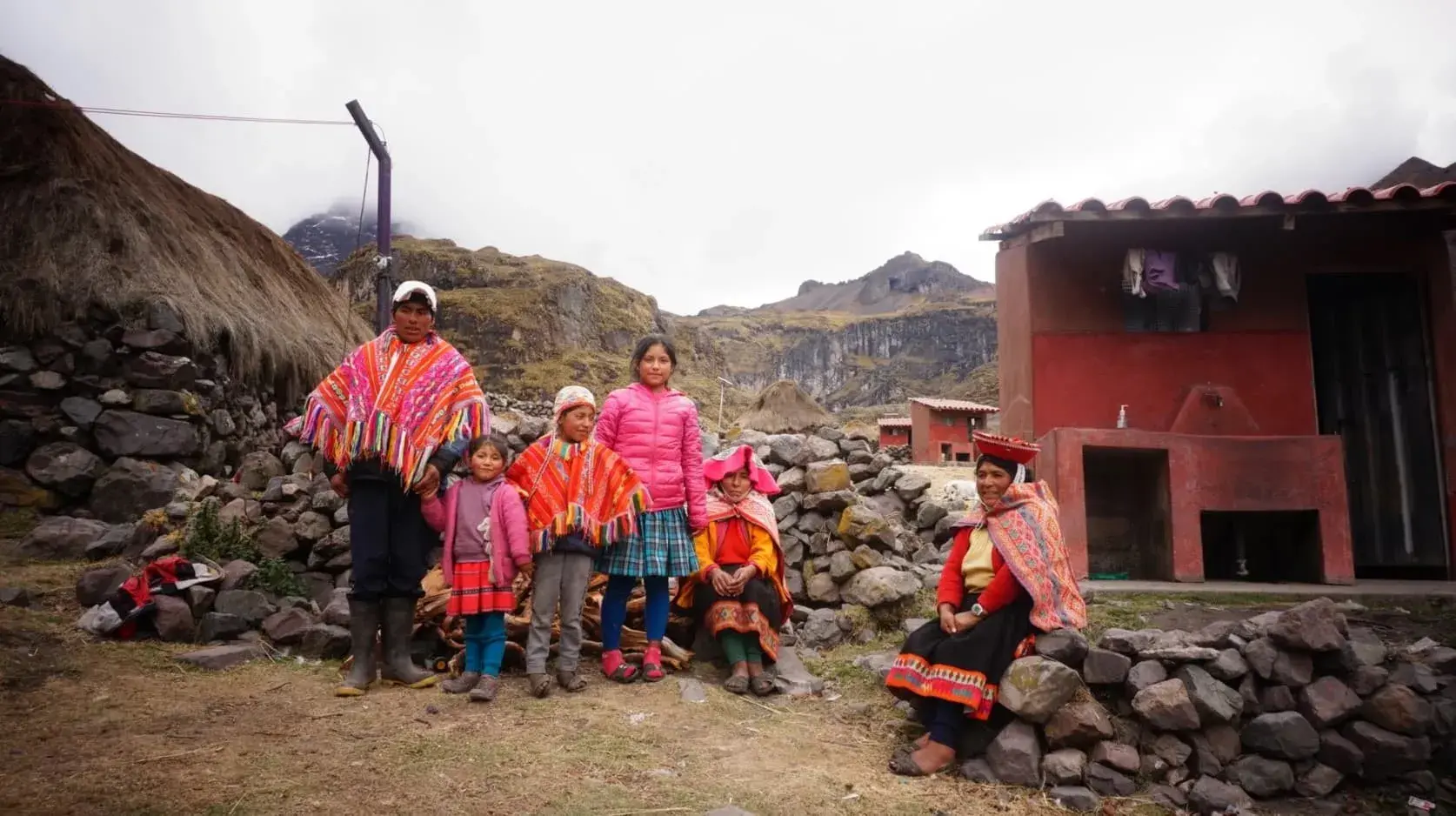
Camping, early starts and limited washing facilities add to the physical challenge. The experience becomes easier when you arrive knowing that mountain camps are simple and the weather controls the schedule.
Lares Trek difficulty by day
Day 1: Cusco – Pumahuanca – Puyoc
Difficulty: challenging because of the altitude gain.
The first day begins in the Pumahuanca area and climbs gradually through the valley. Waterfalls, farmland and mountain views make the walk rewarding, but the campsite is high. The main objective is to reach Puyoc without exhausting yourself before the pass day.
Walk at a pace that allows you to speak in short sentences, drink regularly and avoid racing other hikers. The final section can feel slow as the air becomes thinner.
Day 2: Puyoc – Siclla Qasa Pass – Yanacocha – Cuncani
Difficulty: the hardest day.
Day 2 reaches Siclla Qasa Pass at approximately 4,830 metres. This is the greatest cardiovascular test of the trek. The terrain itself is walkable, but each step requires more effort at this elevation.
After the pass, hikers descend toward Yanacocha and Cuncani. The drop in elevation makes breathing easier, but tired legs and uneven ground require attention. Trekking poles are particularly useful during the descent.
Day 3: Cuncani – Lares Hot Springs – Ollantaytambo – Aguas Calientes
Difficulty: moderate.
The hiking becomes easier as the route descends through villages and agricultural landscapes toward Lares. The reward is time to relax in the thermal pools before continuing by vehicle and train.
Read our Lares Hot Springs visitor guide for practical information about the pools, temperatures and what to bring.
Day 4: Machu Picchu – Cusco
Difficulty: easy to moderate.
The trekking section is complete. The day includes stairs and walking during the guided Machu Picchu visit, but it is much less demanding than the mountain pass.
How fit do you need to be?
You do not need to be an endurance athlete, but you should be able to walk for six or more hours over hills on consecutive days. A useful test is completing a full-day hike with 700 to 1,000 metres of elevation gain while carrying a small daypack, then remaining comfortable enough for another moderate walk the next day.
People who regularly hike, run, cycle or climb stairs usually adapt well once acclimatized. Travelers with a sedentary routine should begin training well before the trip rather than relying on determination alone.
Training plan for the Lares Trek
Begin focused training six to eight weeks before departure. Longer preparation is helpful if you do not exercise regularly.
- Two cardio sessions each week: brisk walking, cycling, swimming or running for 30–60 minutes.
- One hill or stair session: build sustained climbing strength at a steady pace.
- Two strength sessions: include squats, lunges, step-ups, calf raises and core exercises.
- One long walk each week: increase gradually toward five or six hours.
- Back-to-back hikes: complete walks on two consecutive days at least twice before traveling.
- Train with your equipment: wear your hiking boots and carry the daypack you will use in Peru.
Increase volume gradually. Pain that changes your walking pattern is a reason to rest and seek professional advice rather than continuing to add distance.
How to acclimatize before the trek
Spend at least two or three nights in Cusco or the Sacred Valley before departure. The Sacred Valley is lower than central Cusco and can provide a gentler first stage before sleeping higher.
During acclimatization:
- Take short walks rather than remaining completely inactive.
- Drink water regularly.
- Eat normal, carbohydrate-rich meals.
- Limit alcohol and avoid exhausting workouts.
- Sleep well and report persistent symptoms before departure.
Severe headache, confusion, loss of coordination or breathlessness at rest require urgent attention and descent. A guided trek should carry appropriate first-aid equipment and have a clear evacuation plan.
Is the Lares Trek harder than the Inca Trail?
The answer depends on the Lares route. The Classic Inca Trail has thousands of stone steps and a highest point of approximately 4,215 metres. The Pumahuanca Lares route reaches a considerably higher pass near 4,830 metres but has fewer long sections of stone staircase.
Travelers who struggle with altitude may find Lares harder. Those with sensitive knees may find the Inca Trail’s repeated stairs more difficult. Lares is generally quieter and places more emphasis on mountain landscapes and living Andean communities.
Is the Lares Trek harder than Salkantay?
Salkantay itineraries are often longer and include substantial daily distances. The Pumahuanca Lares route reaches a similar high-altitude environment but usually has fewer hiking days and a stronger cultural focus.
Salkantay may feel harder because of cumulative distance, while Lares can feel equally demanding during its rapid climb and high pass. Route, weather, acclimatization and individual fitness matter more than a single difficulty label.
Ways to make the trek easier
- Choose an itinerary with experienced guides and pack-animal support.
- Carry only water, layers, sun protection and daily essentials.
- Use trekking poles on ascents and descents.
- Acclimatize before departure.
- Break in your boots before traveling.
- Keep a slow, consistent pace from the first morning.
- Eat even when altitude reduces your appetite.
- Tell your guide about symptoms immediately.
Who should reconsider the Lares Trek?
The route may not be appropriate for travelers who cannot walk for several hours, have unresolved knee or mobility problems, or have medical conditions that make high-altitude exercise unsafe. Discuss your plans with a healthcare professional if you have heart, lung or circulation concerns.
A shorter cultural tour or visit to the Lares Hot Springs can still provide a meaningful experience without crossing the high pass.
Frequently asked questions
Can beginners hike the Lares Trek?
A motivated beginner can complete the trek after consistent training, proper acclimatization and with professional support. It should not be a beginner’s first long walk without preparation.
Do I need technical hiking experience?
No technical climbing experience is required. You should be comfortable on uneven mountain paths and prepared for cold, rain and long uphill sections.
What is the hardest part?
The ascent from Puyoc to Siclla Qasa Pass is normally the hardest section because it reaches approximately 4,830 metres.
How many hours do you hike each day?
Walking times vary with the route and group pace. The main trekking days commonly involve around six to eight hours, including breaks.
Can horses carry my luggage?
Supported itineraries normally use pack animals for camping equipment and an agreed duffel allowance. Hikers still carry a daypack with water, layers and personal essentials.
Does the Lares Trek enter Machu Picchu on foot?
No. Most Lares routes finish the hiking section before transferring to Ollantaytambo and taking a train to Aguas Calientes. Machu Picchu is visited separately.
Choose the right Lares Trek
The Lares Trek is difficult enough to feel like a genuine mountain achievement, yet accessible to prepared travelers who do not have technical climbing experience. Respect the altitude, train consistently and choose a supported itinerary with a realistic pace.
Explore our Lares Trek 4 Days to Machu Picchu, or start with the complete Lares travel guide to understand the wider destination.