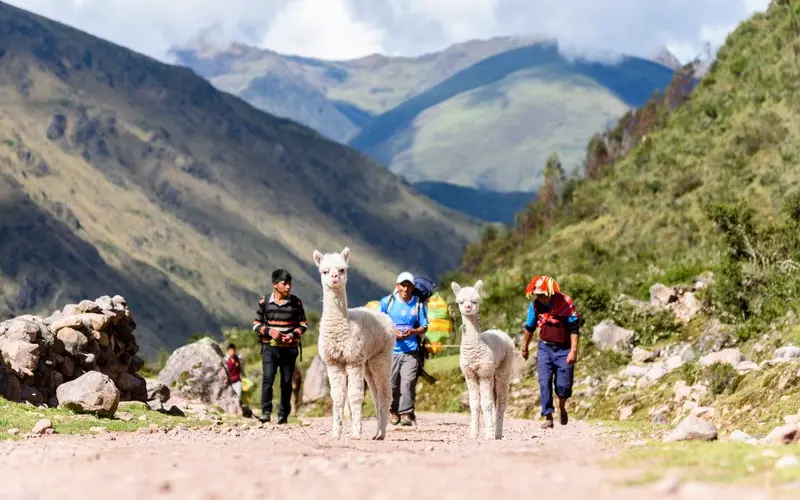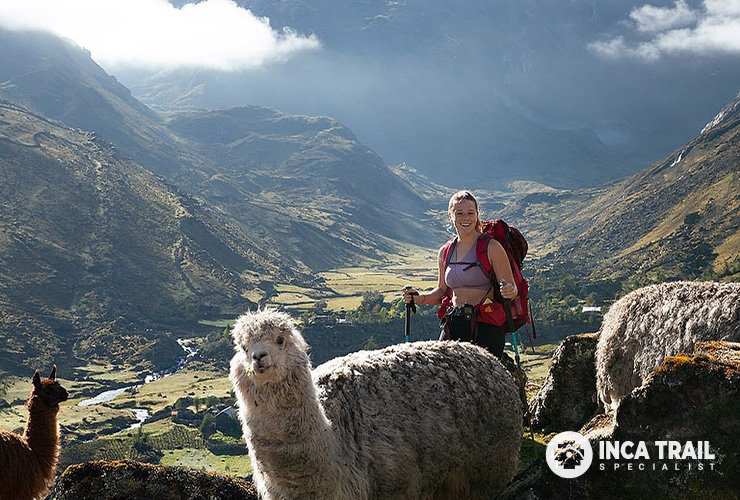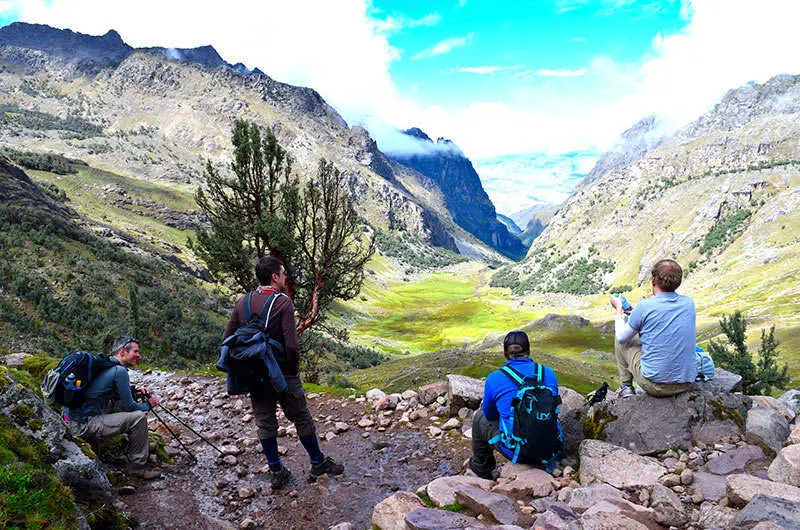
The Lares Trek can suit active families with older children or teenagers, but the four-day route is not a casual family walk. It reaches approximately 4,830 m / 15,846 ft, uses remote camps and includes sustained uphill and downhill hiking.
Children are as susceptible to altitude illness as adults, and younger children may not describe symptoms clearly. Families should discuss the itinerary with a pediatric or travel-health professional and the operator before booking.
Family suitability at a glance
- Best suited to: fit, motivated older children and teenagers
- Highest point: approximately 4,830 m
- Accommodation: mountain camping plus an Aguas Calientes hotel
- Key requirement: several acclimatization nights
- Recommended service: private trek for maximum pacing flexibility
- Essential: family travel insurance covering high-altitude trekking
Is there a minimum age?
There is no single age that makes every child ready. Trekking experience, motivation, health, altitude history and ability to communicate discomfort matter more than age alone. Ask the operator about its current minimum-age policy.
A child who enjoys a one-hour walk may not enjoy consecutive high-altitude days. Complete full-day practice hikes before committing.
Altitude risk for children
CDC guidance states that children are as susceptible to high-altitude illness as adults. Older children may report headache, nausea or breathlessness. Younger children may instead show irritability, poor appetite, unusual sleep or reduced activity.
Unexplained symptoms after ascent must be taken seriously. Do not ascend to sleep higher while symptoms are present, and descend if symptoms worsen. Medication for children requires individual medical advice.
Acclimatization
Allow at least three calm nights before departure, ideally with a gradual approach through the Sacred Valley. Avoid scheduling the trek immediately after a flight from sea level.
Use acclimatization days for gentle walking rather than exhausting tours. Monitor appetite, sleep, energy and behavior.
Private vs group service
A private departure offers more control over pace, rest stops and daily timing. It can reduce pressure on a child to match unrelated adults. Ask in advance how route changes, horse assistance and evacuation would work.
Training as a family
Train for eight to twelve weeks with hills, stairs and progressively longer walks. Practice two walking days in a row and use the exact footwear and daypacks planned for Peru.
Training should build confidence rather than become punishment. A child who consistently dislikes the preparation is unlikely to enjoy the trek.
Camping with children
High camps can fall below freezing. Confirm sleeping-bag ratings, tent arrangements and bathroom facilities. Pack dedicated dry sleepwear, warm hat, gloves and familiar comfort items.
There may be no electricity, Wi-Fi or mobile signal. Explain this before travel and bring non-electronic entertainment for camp.
Food and water
Discuss allergies and preferences early. Carry familiar snacks because altitude may reduce appetite. Children should drink only supplied, sealed or adequately treated water and wash or sanitize hands before eating.
Cultural learning
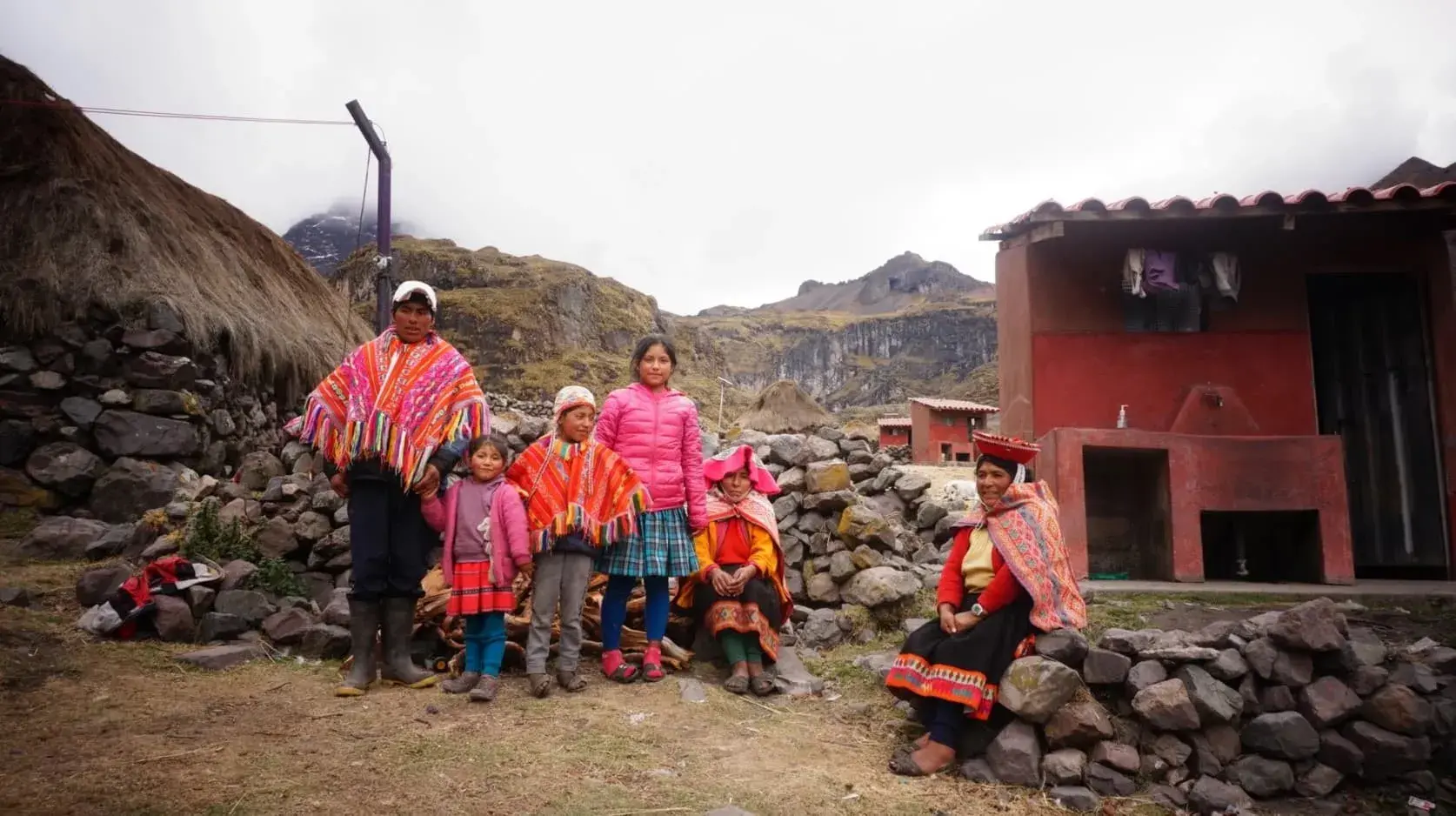
Lares provides an opportunity to learn about Quechua language, farming, herding and weaving. Prepare children to ask before taking photographs, avoid touching animals or textiles without permission and treat communities as homes rather than exhibits.
Questions parents should ask
- What minimum age does the operator accept?
- Can the pace be adjusted?
- What is the evacuation plan?
- Is emergency oxygen carried?
- Can a horse be arranged, and under what conditions?
- What sleeping-bag rating is available?
- How are allergies handled?
- Does the insurance cover the maximum altitude?
- What happens if one family member must descend?
When to choose another trip
Select a lower or shorter experience if a child cannot communicate symptoms, dislikes long hikes, has not trained, is currently unwell or has a medical condition requiring specialist assessment. The Lares Hot Springs and Sacred Valley can provide meaningful alternatives without crossing the highest pass.
Frequently asked questions
Is Lares safe for children?
It can be appropriate for selected, well-prepared families, but altitude and remoteness require medical guidance, acclimatization and professional support.
Can children ride a horse?
Horse availability and suitability must be confirmed locally. It should not be treated as a guaranteed substitute for preparation or an altitude evacuation plan.
Is a private trek better?
Often yes, because the family controls pace and rest more easily.
Make a conservative decision
A successful family trek is defined by safety and shared enjoyment, not simply reaching the pass. Review the Lares travel guide, altitude safety guide, training plan and Lares Trek 4 Days.