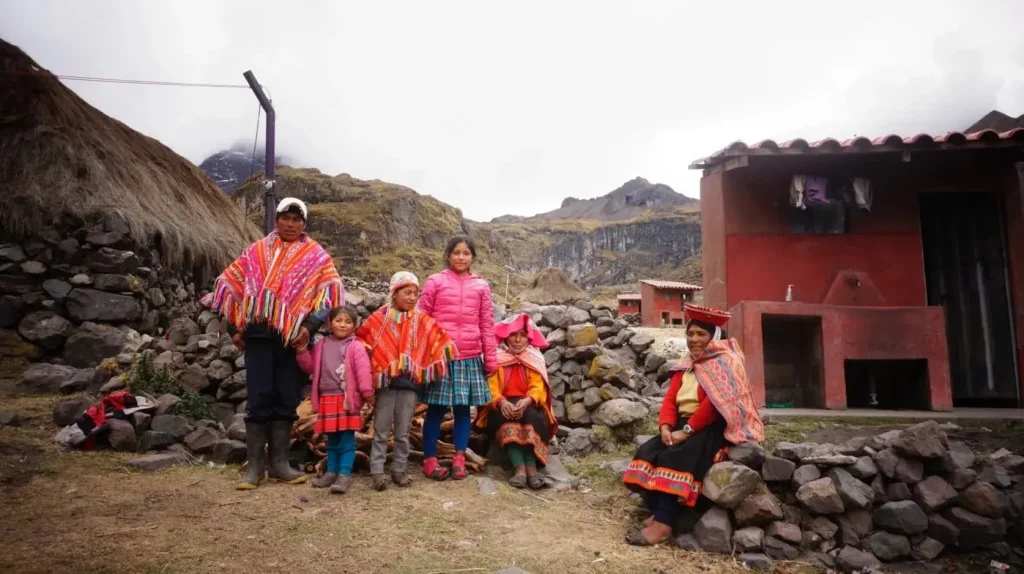

Traditional Lares textiles are part of a living Andean knowledge system. In Quechua-speaking communities, weaving connects animal fiber, local skill, family learning, practical clothing and cultural identity. This is why the Lares trekking network is sometimes called the Weavers Way.
Lares weaving at a glance
- Common fibers: alpaca and sheep, with materials varying by maker
- Core processes: fiber preparation, spinning, dyeing and weaving
- Products: cloth, belts, bags, hats, blankets and garments
- Where to buy: directly from makers or transparent associations
- Best practice: ask about the process and respect the stated price
Why Lares is called the Weavers Way
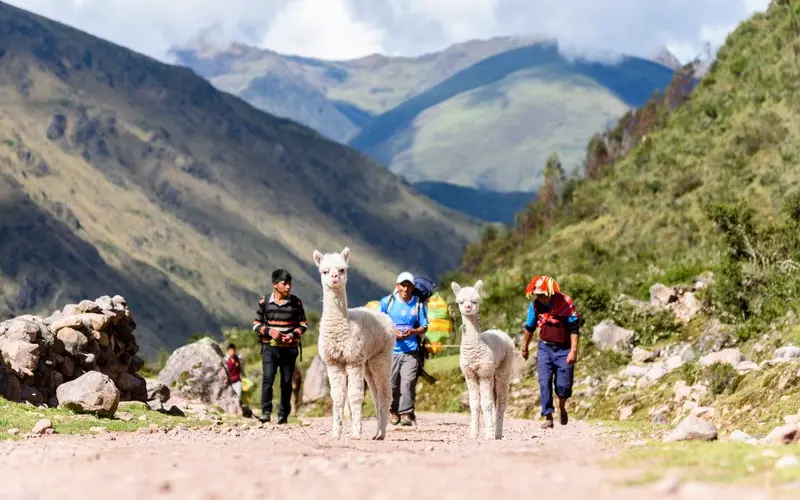
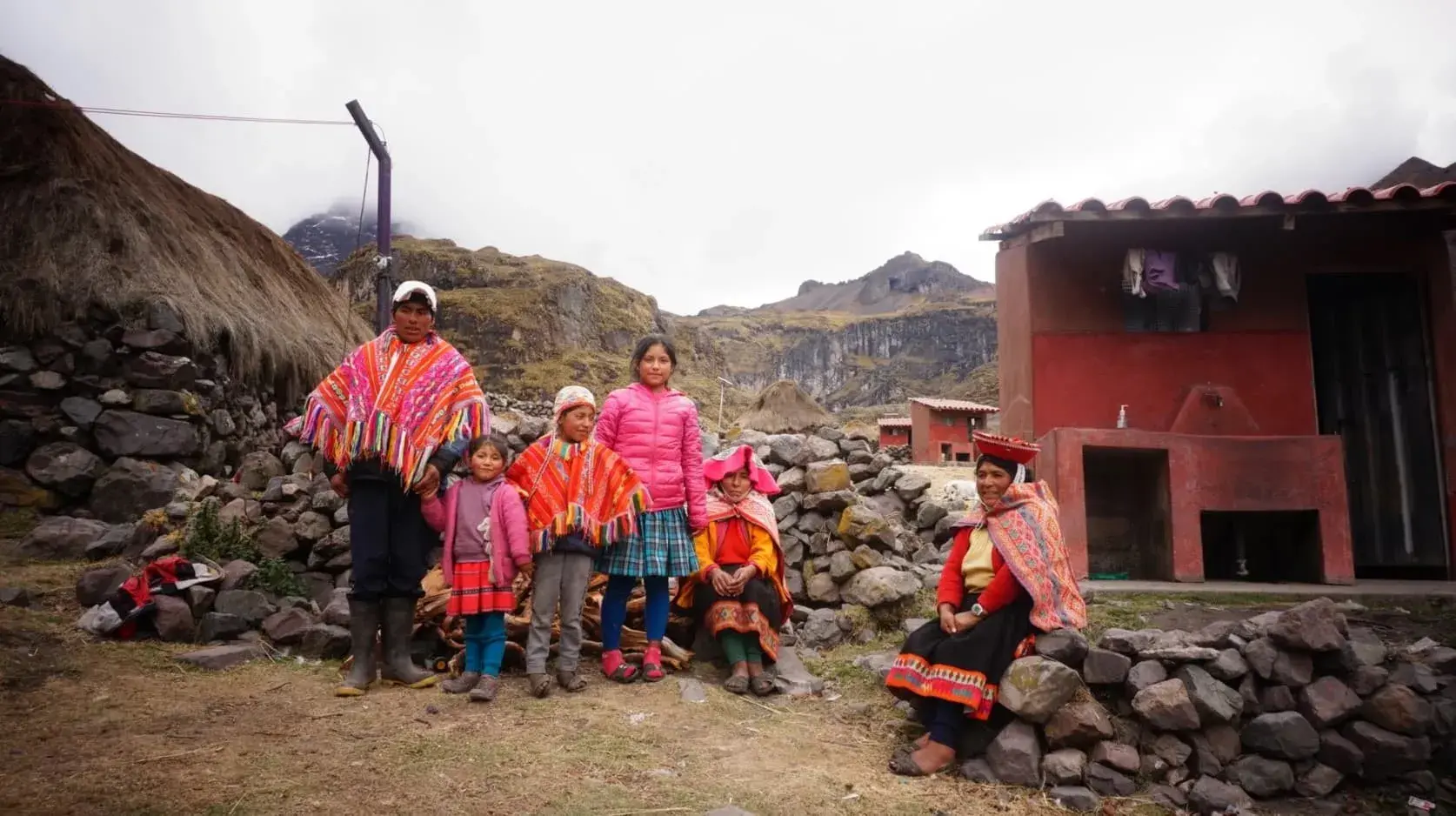
PROMPERÚ describes the Lares route as the “Weavers Way” because it passes Quechua-speaking villages where textile production remains one of several traditional practices, alongside tuber cultivation and llama and alpaca herding.
The name does not mean every departure includes a formal weaving demonstration. Lares has multiple routes, and each village has its own circumstances. Ask the operator which community visits and direct-purchase opportunities are genuinely included.
From fiber to finished textile
Preparing the fiber
The process begins long before the loom. Fiber must be collected, cleaned and prepared. The exact material and method vary. Travelers should not assume every soft item is pure alpaca; sheep wool, blended fibers and commercial yarn are also used.
Spinning
Prepared fiber is twisted into yarn, traditionally with a drop spindle. Consistent spinning affects the strength, thickness and final appearance of the textile. It is a skilled stage that may be carried out while walking, talking or watching animals.
Dyeing
Some makers use natural dyes derived from plants, minerals or insects; others use commercial dyes for brightness, consistency, availability or customer demand. Neither should be assumed without asking. Honest sellers can explain the materials used in a particular piece.
Weaving
Yarn is arranged under tension and woven into cloth. Patterned textiles demand planning and careful control of multiple strands. The time required depends on size, density, design and the maker’s other responsibilities.
What patterns mean
Andean motifs can be inspired by mountains, animals, plants, agriculture, paths or geometric relationships. Meanings are not universal across Cusco. The same-looking form may have different names or interpretations in different communities and families.
Be cautious with souvenir-shop claims that assign one fixed ancient meaning to every symbol. The best explanation comes from the maker, ideally with translation from a knowledgeable local guide.
Textiles as practical objects
Traditional textiles are not only decorative art. Cloth can become clothing, carrying fabric, blankets, bags, belts and household items. Warmth and durability matter in settlements exposed to cold nights, wind and intense high-altitude sun.
How to recognize handmade work
Handmade does not necessarily mean irregular or rough; skilled weaving can be extremely precise. Instead of relying on one visual test, ask who made the item, which fiber was used, how it was dyed and how long it took.
Machine-made products are not automatically dishonest if labeled accurately. The problem is presenting an industrial item as unique community handwork.
How much should a textile cost?
There is no single correct price. Cost depends on fiber, size, complexity, density, dyeing method and labor. A small simple item may be affordable, while a large finely patterned textile represents many hours or weeks of work.
Aggressive bargaining can undervalue that labor. Ask the price, request information and decide respectfully. Carry Peruvian soles because remote sellers may not accept cards.
Buying responsibly
- Prefer direct purchases from the maker.
- Use community associations when their payment model is transparent.
- Ask what portion reaches the artisan when buying through an intermediary.
- Do not demand a demonstration without compensation or prior arrangement.
- Ask permission before photographing the maker or process.
- Do not present a purchase as charitable; it is payment for skilled work.
Alpaca vs sheep wool
Alpaca fiber is often prized for warmth and softness, while sheep wool is also important and useful. Fiber quality varies within each category. Touch alone is not a reliable authentication method, especially with blends and modern finishing.
Ask a specific question: “What fiber is used in this piece?” A trustworthy answer may include more than one material.
Natural vs synthetic dyes
Natural dyes are often valued for local knowledge and subtle variation, but commercial dyes also form part of contemporary textile economies. Bright color alone does not prove a product is synthetic, and muted color does not prove it is natural.
The goal is accurate description, not forcing artisans to produce according to a visitor’s idea of authenticity.
Photography and cultural respect
Ask before photographing people, homes or a close-up of a weaving process. Permission to observe is not automatically permission to record. If a demonstration has been arranged, clarify whether photographs are welcome.
Where travelers encounter weaving
Opportunities vary across Cuncani, Quishuarani and other communities associated with Lares routes. Some tours arrange a specific visit; others encounter sellers informally. The guide to Lares communities explains why routes differ.
Packing a textile for travel
Keep delicate pieces dry and avoid compressing them beside wet trekking gear. Request documentation if purchasing an antique-looking object; genuine archaeological or protected cultural material must not be removed from Peru. Newly made artisan textiles are normal travel purchases.
Frequently asked questions
Are all Lares textiles made from alpaca?
No. Materials can include alpaca, sheep wool, blends or commercial yarn. Ask the maker about the specific piece.
Are all dyes natural?
No. Natural and commercial dyes are both used. Reliable sellers should describe the process honestly.
Should I bargain?
Respect the stated price. If negotiation is customary in a particular setting, keep it modest and remember the labor involved.
Can I watch a weaving demonstration?
Some routes arrange one, but it should be organized respectfully and compensated. Confirm it in the itinerary rather than assuming.
Textiles as part of the Lares journey
A Lares textile is meaningful because it represents skill and contemporary community life, not because it is frozen in the past. Ask questions, listen to the maker and purchase transparently.
Plan the journey with the Lares Peru guide, the Cusco to Lares transport guide and the complete Lares Trek 4 Days.