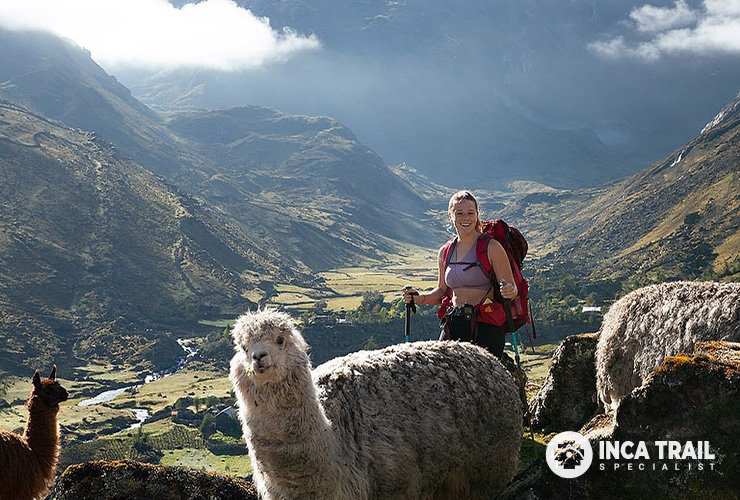
A four-day Lares Trek itinerary combines two and a half days of high-altitude hiking with the Lares Hot Springs, a train journey to Aguas Calientes and a guided visit to Machu Picchu. The Pumahuanca route is one of the highest Lares variations, crossing Siclla Qasa Pass at approximately 4,830 metres.
This day-by-day guide explains the route operated by Lares Trip, what each stage feels like and how the journey connects with Machu Picchu.
Lares Trek 4-day itinerary summary
- Day 1: Cusco – Pumahuanca – Puyoc
- Day 2: Puyoc – Siclla Qasa Pass – Yanacocha – Cuncani
- Day 3: Cuncani – Lares Hot Springs – Ollantaytambo – Aguas Calientes
- Day 4: Machu Picchu – Cusco
- Walking distance: approximately 40–45 km
- Maximum altitude: approximately 4,830 m
- Difficulty: challenging
Is there one official Lares Trek route?
No. The Lares Valley contains several hiking routes connecting trailheads, villages, lakes and mountain passes. Itineraries may start near Lares, Kiswarani, Huaran, Cuncani or Pumahuanca.
The route described here begins at Pumahuanca and finishes the hiking section at the Lares Hot Springs. It is a strong choice for fit, acclimatized travelers who want a high pass, remote scenery and a thermal-pool finish.
Day 1: Cusco – Pumahuanca – Puyoc
The journey begins with an early hotel pickup in Cusco, normally around 5:30 a.m. Private transport travels through the Sacred Valley toward Pumahuanca, where the guide, cook and trekking team prepare for the hike.
The trail climbs through the Pumahuanca Valley past agricultural land, waterfalls and mountain scenery. The lower section provides time to establish a steady pace before the air becomes thinner.
After lunch near Paqcha Pata, the route continues toward Chupani and the high camp in the Puyoc area. The campsite is above 4,000 metres, so the temperature drops quickly after sunset.
Main challenge: a large altitude gain on the first hiking day.
Day 2: Puyoc – Siclla Qasa Pass – Yanacocha – Cuncani
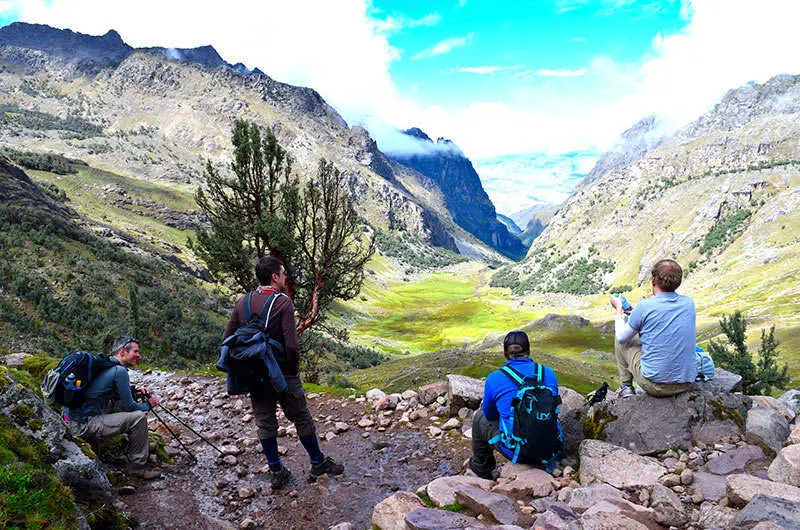
Day 2 is the most demanding stage. After an early breakfast, the route climbs toward Siclla Qasa Pass at approximately 4,830 metres. The final approach is slow because the reduced oxygen makes every step more demanding.
At the pass, clear conditions reveal high mountains and valleys on both sides. Weather can change rapidly, so the group normally pauses only as long as conditions allow.
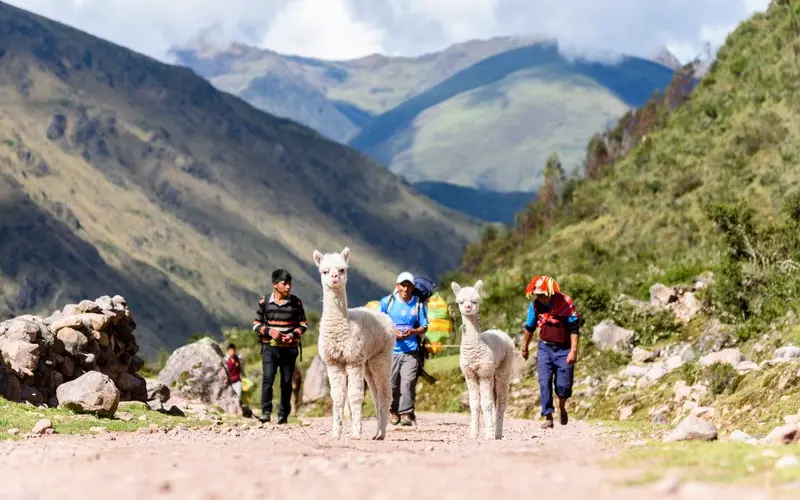
The trail then descends toward the Yanacocha area for lunch and continues to Cuncani. Hikers may see alpacas, llamas and families moving between grazing areas and villages.
The camp near Cuncani is approximately 3,800 metres. Breathing normally feels easier after descending, although legs may be tired from the long downhill section.
Main challenge: the high pass and sustained descent.
Day 3: Cuncani – Lares Hot Springs – Ollantaytambo – Aguas Calientes
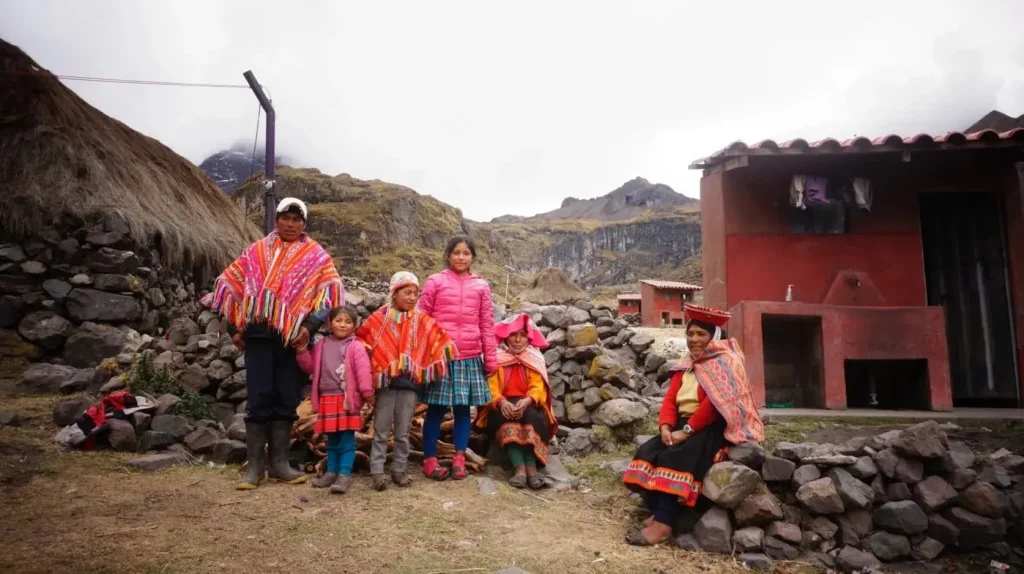
The route descends from Cuncani through cultivated landscapes and rural settlements. This stage provides more opportunities to observe daily life in the Lares Valley.
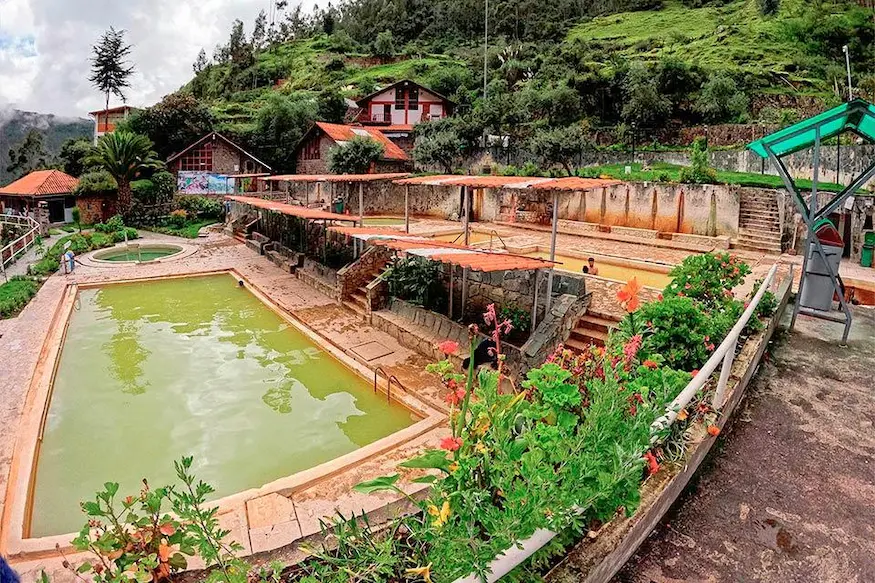
The hiking section finishes at the Lares Hot Springs. The thermal pools offer a welcome chance to rest tired muscles after the high pass. Bring a swimsuit, quick-drying towel and sandals.
After lunch, private transport continues to Ollantaytambo. The group boards a tourist train to Aguas Calientes and spends the night in a hotel before visiting Machu Picchu.
Main challenge: coordinating a hiking finish, road transfer and train connection in one day.
Read the complete Lares Hot Springs guide for information about the pools and what to carry.
Day 4: Machu Picchu – Cusco
The final day begins with a bus from Aguas Calientes to Machu Picchu according to the assigned entrance time. A certified guide leads a visit of approximately two to two and a half hours through the circuit confirmed with the reservation.
After the visit, travelers return to Aguas Calientes, take the train to Ollantaytambo and continue by tourist transport to Cusco. Arrival is normally in the evening and depends on train schedules and traffic.
The Lares Trek does not enter Machu Picchu on foot through the Sun Gate. The hiking route ends in the Lares area, followed by road and train transport.
Where do you sleep?
The first two nights are camping nights in the high Andes. The package includes tents, sleeping mats, dining equipment and support from the trekking team. The third night is in a hotel in Aguas Calientes with private facilities.
Sleeping bags are normally rented separately. Review our Lares Trek packing list for cold-weather equipment and daypack essentials.
What meals are provided?
Meals during the trekking section are prepared by a trekking cook. Vegetarian, vegan and other dietary requirements can be accommodated when requested before departure.
Travelers should carry personal snacks. Lunch after the Machu Picchu visit is not included in the standard package.
How difficult is this itinerary?
This specific route is challenging because it gains altitude rapidly and crosses a pass at approximately 4,830 metres. The first two days require sustained uphill walking, while Day 2 includes a long descent.
Spend at least two or three days acclimatizing before departure. Read our detailed guides to Lares Trek difficulty and Lares Trek altitude.
What is included in the four-day route?
- Transport from Cusco to the trailhead
- Professional bilingual guide
- Meals during the trek
- Camping equipment and trekking team
- Hotel night in Aguas Calientes
- Machu Picchu entrance ticket
- Bus between Aguas Calientes and Machu Picchu
- Tourist train and return transport to Cusco
- First-aid kit and emergency oxygen
Sleeping bags, trekking poles, hot-spring admission, final-day lunch, tips, insurance and personal expenses are not included in the standard price.
Best time for this itinerary
May through September usually offers the driest conditions. April and October can provide a good balance of green landscapes, lower demand and reasonable weather.
Wet-season operation depends on trail and road safety. See the month-by-month Lares Trek weather guide.
Who is this route best for?
The itinerary suits active travelers who want high mountains, small communities and a quieter alternative to the Classic Inca Trail. It is not the best choice for someone who wants to enter Machu Picchu on foot or avoid camping.
Travelers with limited hiking experience can complete the route with preparation, but the high pass should not be underestimated.
Frequently asked questions
How many days are spent hiking?
The main hiking section covers Days 1, 2 and part of Day 3. Day 4 is dedicated to Machu Picchu and the return journey.
Does the Lares Trek require an Inca Trail permit?
No Classic Inca Trail permit is required, but Machu Picchu admission and train spaces must be reserved.
Can the itinerary change?
Yes. Weather, road conditions, train schedules and official Machu Picchu availability can require adjustments.
Can dietary requirements be accommodated?
Yes, when communicated before departure. Give detailed information about allergies and dietary needs during booking.
What Machu Picchu circuit is included?
The circuit depends on official availability at the time of booking. Reserving early improves the range of available entrance options.
What time do you return to Cusco?
Arrival is usually between approximately 7:30 p.m. and 9:30 p.m., depending on the confirmed train and road traffic.
Book the four-day Lares route
The Pumahuanca itinerary combines a genuinely demanding high pass with cultural landscapes, thermal pools and Machu Picchu. View the full Lares Trek 4 Days to Machu Picchu package for availability and booking details.
For destination planning, transport and cultural context, read the complete Lares, Peru travel guide.