Choosing between the Lares Trek and the Inca Trail comes down to the experience you value most. Choose Lares for Quechua communities, quieter trails and high-mountain scenery. Choose the Classic Inca Trail for major archaeological sites, original Inca paving and the iconic arrival at Machu Picchu through Intipunku, the Sun Gate.
Quick decision
- Choose Lares if: culture, solitude and flexible availability matter most.
- Choose the Inca Trail if: archaeology and the classic walking arrival at Machu Picchu are your priorities.
- Difficulty: both are challenging high-altitude treks.
- Typical duration: four days for both itineraries compared here.
- Highest point: Lares approximately 4,830 m; Inca Trail approximately 4,215 m.
- Current Lares Trip prices: Lares USD 640; Inca Trail USD 845, subject to change.
Lares Trek vs Inca Trail comparison
| Feature | Lares Trek | Classic Inca Trail |
|---|---|---|
| Main appeal | Living culture and mountain scenery | Archaeology and historic trail |
| Duration | 4 days | 4 days |
| Walking distance | About 40–45 km | About 45 km |
| Highest point | Siclla Qasa, about 4,830 m | Dead Woman’s Pass, about 4,215 m |
| Permit | No limited Inca Trail permit | Limited permit and authorized agency required |
| Crowds | Usually quieter | More regulated and popular |
| Machu Picchu arrival | Usually train from Ollantaytambo | Walk through the Sun Gate |
| February | Possible but rainy; route-dependent | Trail closed for annual maintenance |
Scenery and atmosphere
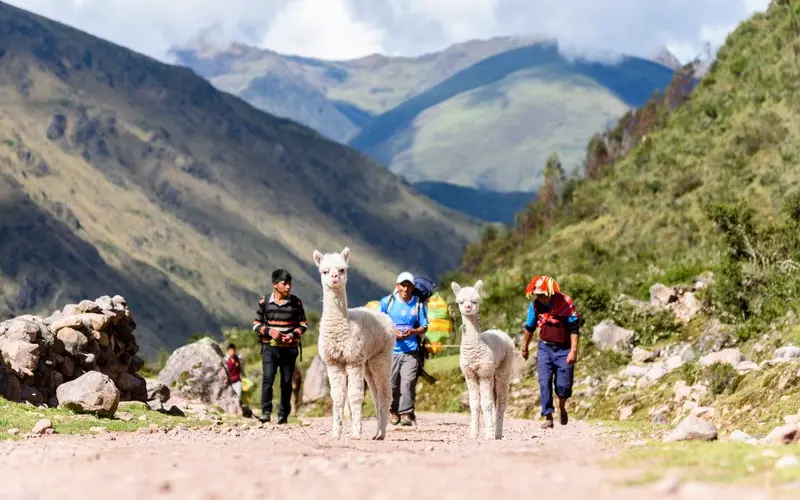
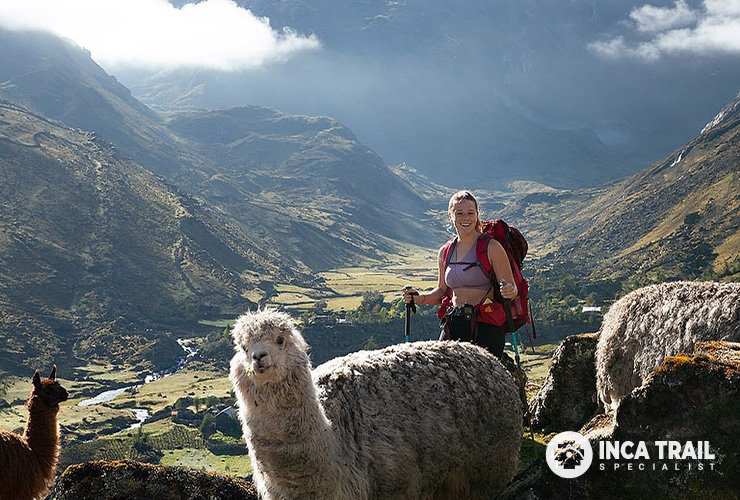
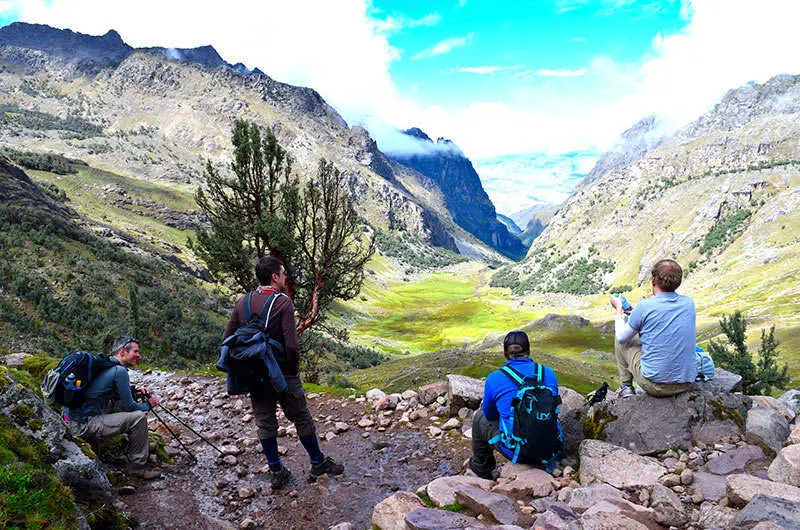
Lares crosses broad puna, glacial lakes, farming valleys and remote passes. The landscape feels open and pastoral, with alpacas, llamas and cultivated fields forming part of the experience. Trails are less standardized, so scenery varies according to the chosen route.
The Inca Trail combines cloud forest, stone staircases, mountain passes and archaeological complexes. Its sequence of ruins creates a strong historical narrative that culminates at Intipunku.
Culture vs archaeology
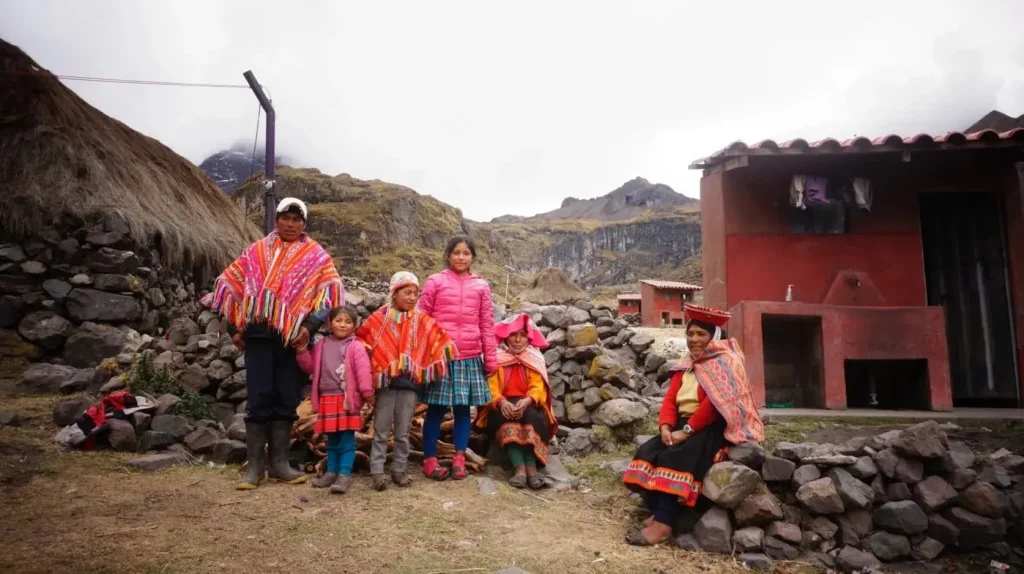
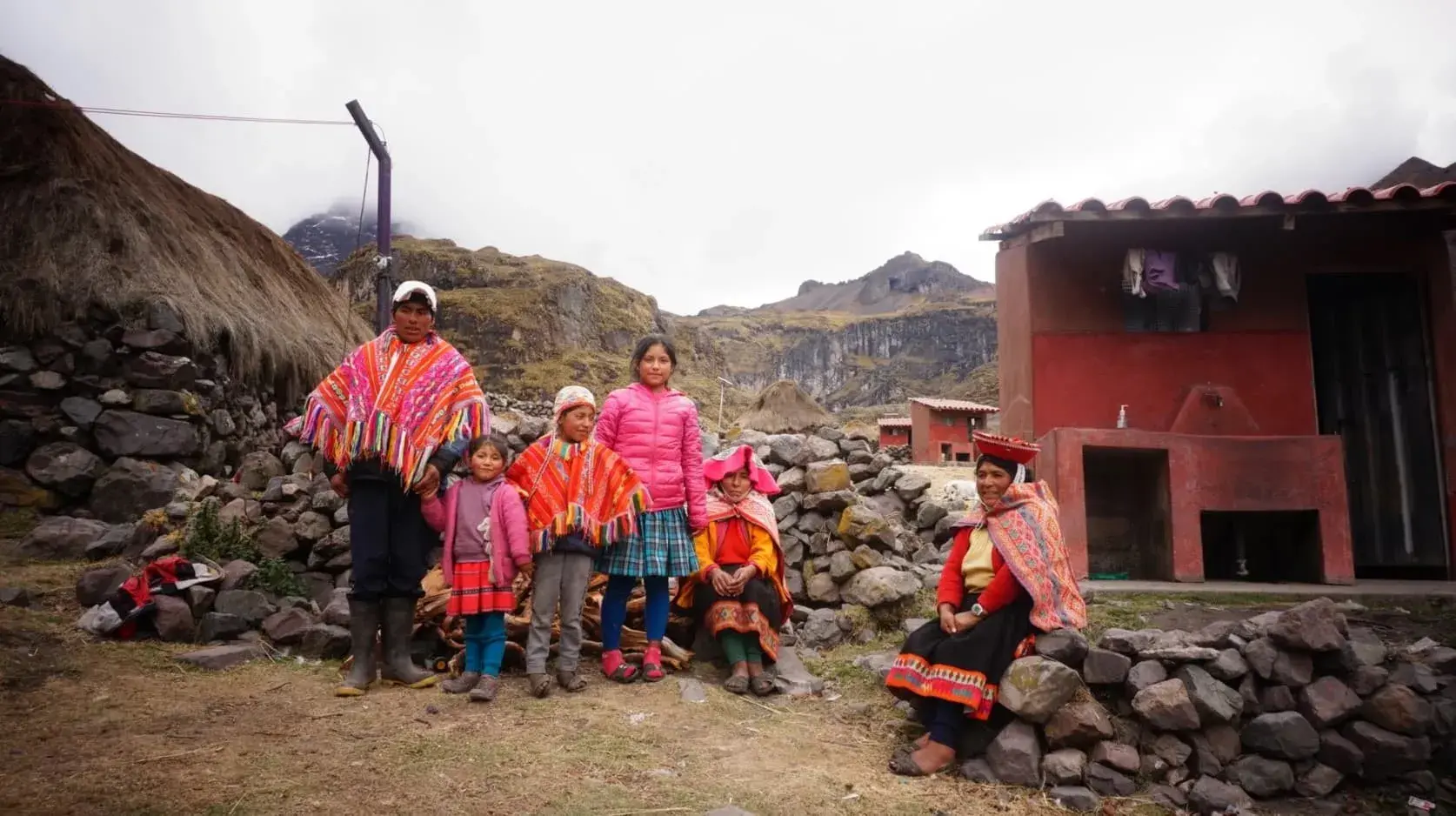
The defining Lares experience is living culture. Quechua-speaking families continue farming, herding and weaving traditions in villages along or near the trail. Encounters should remain respectful rather than staged: ask before photographing people, follow the guide’s advice and buy textiles directly when appropriate.
The Classic Inca Trail is the stronger archaeological journey. Hikers pass sites such as Runkurakay, Sayacmarca, Phuyupatamarca and Wiñay Wayna before entering Machu Picchu through the Sun Gate.
Which trek is harder?
Both routes require good fitness, but the challenge is different. Lares reaches a higher maximum altitude on the itinerary compared here: Siclla Qasa at approximately 4,830 m. The thinner air makes acclimatization particularly important.
The Inca Trail’s highest point is lower, but the route contains long climbs, steep stone stairs and accumulated fatigue. Day two over Dead Woman’s Pass is famously demanding. Neither route should be described as easy.
Compare preparation in the full Lares Trek difficulty guide.
Permits and availability
The Classic Inca Trail operates under limited daily capacity. Entry is only possible with an authorized agency and advance reservation. Places can sell out many months ahead, especially in the dry season.
Lares does not use the same limited trail permit, making it a valuable alternative when Inca Trail spaces are unavailable. However, a complete Lares itinerary still requires Machu Picchu admission, train tickets and accommodation, all of which can sell out.
February and seasonal differences
The Inca Trail network closes throughout February for annual conservation and maintenance. Lares does not have that same blanket closure, but February is among the wettest periods and conditions may be poor for trekking.
For either route, May through September generally brings drier weather. June through August can have cold nights and heavy demand. See the best time to hike Lares before choosing dates.
How you arrive at Machu Picchu
This is one of the biggest differences. The Classic Inca Trail reaches Machu Picchu on foot through Intipunku. For many travelers, that first view is the main reason to choose the route.
The Lares itinerary normally finishes its trekking section in the Sacred Valley, then uses road and train transport to Aguas Calientes. Travelers enter Machu Picchu the following morning. The experience remains complete, but it is not a walking arrival through the Sun Gate.
Accommodation and comfort
Both classic itineraries use camping during the trek. The Lares Trip route then includes a hotel in Aguas Calientes before Machu Picchu. The Inca Trail remains on the regulated trail until the final morning.
Lares route options can sometimes include homestays or different campsite patterns, but the exact accommodation must be confirmed with the operator.
Cost comparison
The current Lares Trip prices are USD 640 for the four-day Lares Trek and USD 845 for the four-day Inca Trail. Prices can change with official tickets, train costs and operating conditions.
The Inca Trail often costs more because permits, regulated staffing and trail logistics are built into the service. Compare complete inclusions rather than the headline amount. Review the Lares Trek cost guide for questions to ask before paying.
Which is better for families?
Fit teenagers who are well acclimatized can enjoy either trek. Lares may offer more route flexibility and educational cultural contact, but its highest pass is a serious consideration. The Inca Trail has fixed camps and many stone steps.
Families should discuss pace, evacuation options, private service and porter or pack-animal limits with the operator. A shorter alternative may be more suitable for younger children.
Which is better for photographers?
Lares favors portraits, textiles, pastoral scenes and expansive high-Andean landscapes. Always request permission before photographing residents. The Inca Trail favors ruins, forest, stonework and the classic approach to Machu Picchu.
Choose the Lares Trek if you want
- Fewer hikers and a quieter trail
- Meaningful contact with Andean communities
- High passes, lakes and pastoral scenery
- More booking flexibility
- A train journey to Machu Picchu after trekking
Choose the Inca Trail if you want
- The most famous historic route to Machu Picchu
- Several archaeological sites along the trail
- A walking arrival through the Sun Gate
- A highly regulated route with fixed camps
- The classic once-in-a-lifetime experience and can book early
Frequently asked questions
Is Lares higher than the Inca Trail?
Yes for the itineraries compared here. Lares crosses approximately 4,830 m, while Dead Woman’s Pass on the Classic Inca Trail is about 4,215 m.
Does Lares enter Machu Picchu through the Sun Gate?
No. Most Lares itineraries connect to Ollantaytambo and continue by train to Aguas Calientes.
Does the Lares Trek require a permit?
It does not require the limited Classic Inca Trail permit. Machu Picchu admission and transport reservations are still necessary.
Can I hike the Inca Trail in February?
No. The trail network closes during February for annual maintenance and conservation.
Final verdict
There is no universal winner. Lares is better for travelers whose ideal trek centers on living culture, solitude and high-mountain landscapes. The Inca Trail is better for travelers who prioritize archaeology and the unforgettable Sun Gate arrival.
Explore the Lares Trek 4 Days or compare availability for the Classic Inca Trail 4 Days. For broader planning, use the complete Lares travel guide.