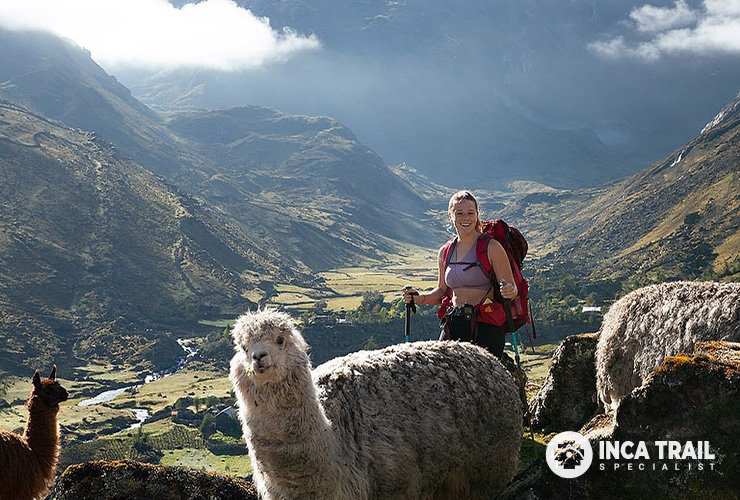
The best time to hike the Lares Trek is generally from May to September, when rainfall is lower and mountain views are more reliable. April and October are excellent shoulder-season alternatives, with fewer visitors and a greater chance of green landscapes.
The route can operate throughout much of the year, but there is no month with guaranteed weather. At elevations above 4,000 metres, hikers should prepare for sun, wind, rain, hail and freezing temperatures in every season.
Best time for the Lares Trek: quick answer
- Best overall months: May and September
- Driest period: May to August
- Warmest-looking landscapes: April after the rainy season
- Coldest nights: June and July
- Wettest period: December to March
- Lowest trail traffic: rainy-season months
- Best balance of weather and crowds: April, May, September and October
Understanding the seasons in Lares
The Peruvian Andes have two practical travel seasons rather than four sharply defined seasons. Peru’s official tourism portal describes April to October as the lower-rainfall period, with sunnier days and cold nights, while November to March receives more rain.
Lares is a mountain valley with large elevation changes. Conditions in the town, at a campsite above 4,000 metres and near Machu Picchu can be completely different on the same day. The season provides a general pattern, not a promise.
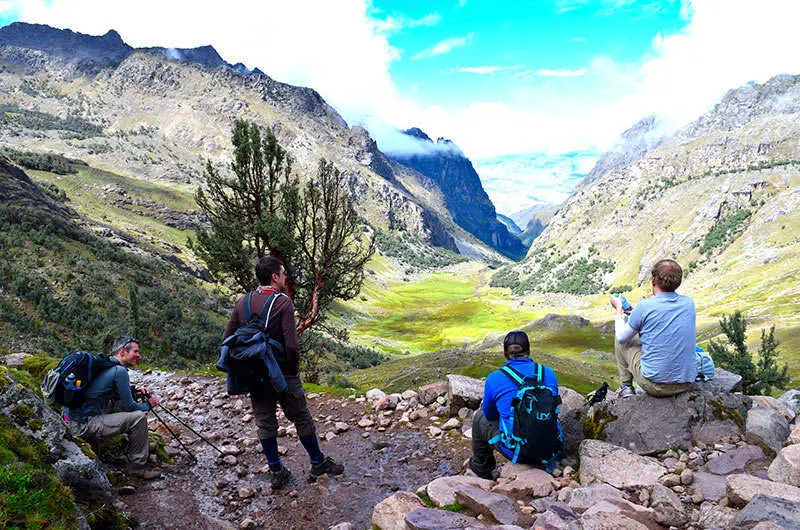
Lares Trek weather by month
January
January is part of the rainy season and is commonly one of the wettest months in the Cusco region. Trails can be muddy, cloud may hide the mountains and transport can take longer.
The benefits are green scenery, very few trekking groups and a quieter cultural experience. Choose January only if you have flexible travel plans and reliable waterproof equipment.
February
February remains wet. The Classic Inca Trail normally closes for scheduled annual maintenance, but Lares routes may operate when local trail and road conditions are considered safe.
Do not treat Lares as an automatic replacement without checking conditions. Heavy rain can affect any mountain route. A responsible operator may modify, postpone or cancel a departure.
March
Rain continues, although conditions often begin improving later in the month. Hillsides remain green and visitor numbers are relatively low. Mud, cloud and slippery descents are still possible.
April
April is one of the best shoulder-season months. Rainfall usually decreases, the valley remains green and the busiest travel period has not yet begun.
Some wet-season conditions may continue early in the month, so retain full rain protection and allow flexibility around transport.
May
May is an excellent choice. Trails are generally firmer, skies are often clear and the nights have not always reached the sharpest midyear cold.
Demand begins to increase, so reserve Machu Picchu admission and train arrangements early even though the Lares trail itself does not use the limited Classic Inca Trail permit.
June
June brings dry conditions, strong daytime sun and cold nights. It is also a popular month because of Inti Raymi and travel around Cusco.
Expect camps above 4,000 metres to feel very cold before sunrise. A properly rated sleeping bag and warm layers are essential.
July
July is among the driest months but often has the coldest nights. Clear skies allow heat to escape quickly after sunset. Frost is possible at high camps.
This is peak travel season. The Lares trail remains quieter than the Inca Trail, but trains, hotels and Machu Picchu entrance times can sell out.
August
August is typically dry, clear and sometimes windy. Trails are firm and visibility can be excellent. Vegetation may look drier and dustier than in April or May.
September
September is another top choice. Conditions are still generally dry, nights may become slightly less severe and visitor levels can ease after the northern summer holiday period.
For many travelers, September offers the best balance of visibility, trail conditions and availability.
October
October is a good shoulder-season month. Rain begins returning gradually, but extended dry periods are still common. The landscape starts changing as the agricultural season advances.
Pack as if rain is expected even when the forecast looks clear.
November
November marks the transition into wetter weather. Afternoon showers become more likely, clouds build around the mountains and trails may soften.
Groups are smaller and the valley begins to look greener. Flexible travelers can still have an excellent trek.
December
December is wet and increasingly busy around Christmas and New Year. Rain may fall in the afternoon or overnight, although clear morning periods are possible.
Holiday travel increases demand for trains and accommodation even when trail traffic remains low.
Dry season: advantages and disadvantages
The dry season provides the best chance of clear views and firm trails, which is why most travelers choose it.
Advantages
- Lower probability of prolonged rain
- Clearer mountain views
- Firmer, less slippery trails
- More reliable road and transport conditions
- Better conditions for photography
Disadvantages
- Colder nights, particularly in June and July
- Higher demand for Machu Picchu tickets and trains
- More visitors in Cusco and the Sacred Valley
- Drier, browner landscapes late in the season
- Strong ultraviolet exposure during clear days
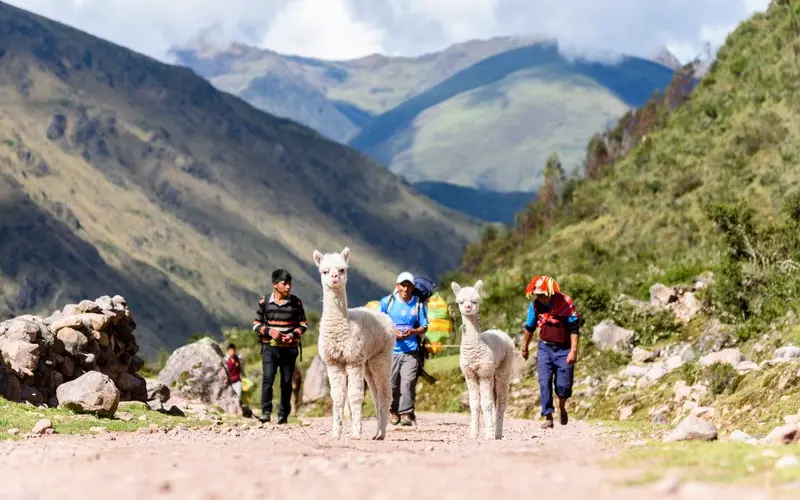
Rainy season: is the trek still possible?
It can be possible, but conditions must be assessed close to departure. Rain usually falls in periods rather than continuously all day, and mornings may be clear. However, wet trails, swollen streams, landslides and road delays are more likely.
A rainy-season trek requires:
- A waterproof jacket and trousers
- A pack liner or dry bags
- A rain cover for the daypack
- Boots with reliable wet-surface grip
- Trekking poles
- Dry clothing reserved for camp
- Extra schedule flexibility
Choose an operator willing to change the plan when conditions are unsafe. A guaranteed departure should never be more important than mountain safety.
Best month for photography
April and May are excellent for combining greener terrain with improving visibility. June through August brings the clearest skies but the landscape becomes progressively drier. September and October can offer softer light, fewer peak-season visitors and a mix of dry and green areas.
Carry protection for your camera because short showers and condensation can occur even during the dry season.
Best time for cultural experiences
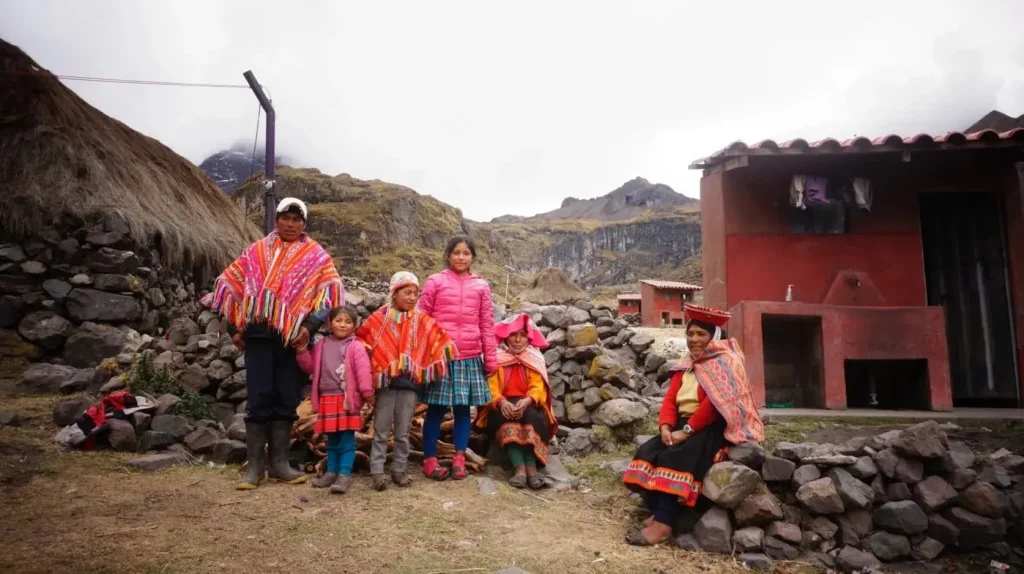
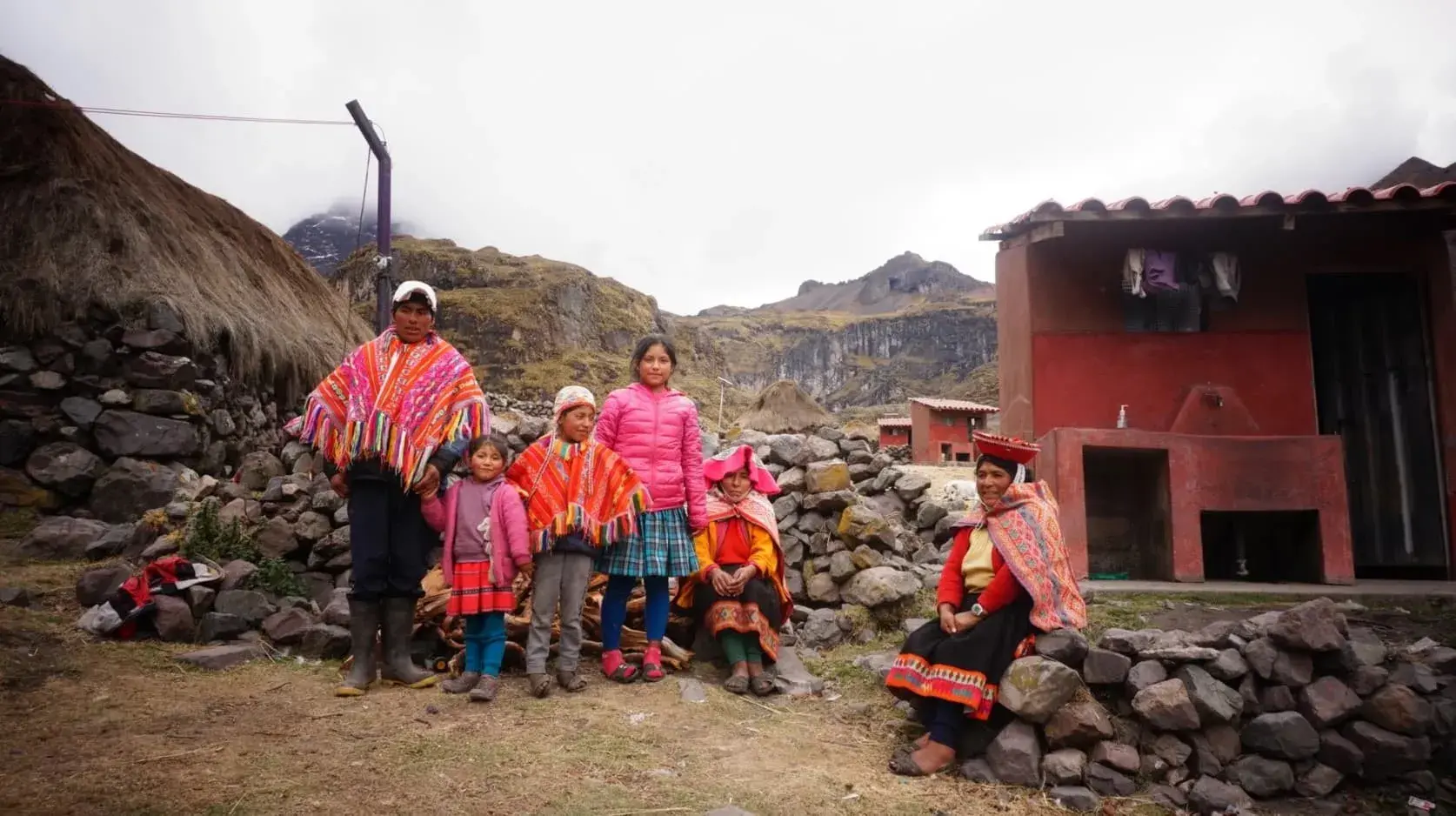
Lares is not only a landscape trek. Communities follow agricultural, textile and festival calendars throughout the year. Planting and growing seasons make the rainy months visually interesting, while harvest and clearer weather shape activities during the drier period.
Local life is not a performance scheduled for visitors. Travel with a guide who works respectfully with communities and avoid expecting ceremonies or demonstrations unless they have been arranged fairly.
Best time for the Lares Hot Springs
The thermal pools can be visited year-round. Cold, clear dry-season evenings make the warm water especially appealing, while rainy-season visitors enjoy greener surroundings.
Heavy rain can affect the road journey, so check local conditions before making a same-day trip from Cusco. See our complete Lares Hot Springs guide for access, altitude and packing information.
Weather at the highest pass
Siclla Qasa Pass reaches approximately 4,830 metres on the Pumahuanca route. At this elevation, conditions are colder and more exposed than in Cusco or Lares town.
Wind chill can make the pass feel freezing. Sunlight is intense when skies clear, and hail or cloud can arrive quickly. Keep gloves, a warm hat, waterproof shell and sunscreen in your daypack rather than inside the duffel carried by pack animals.
Read our guides to Lares Trek altitude and Lares Trek difficulty before choosing a departure date.
Booking considerations by season
May to August
Book Machu Picchu tickets, trains and accommodation well in advance. Popular entrance circuits and train times may sell out before the trek itself.
April, September and October
These months often provide a better balance of availability and weather, but advance booking is still important when Machu Picchu is included.
November to March
Availability may be greater, but keep travel dates flexible. Confirm the operator’s cancellation, route-change and weather policies.
Frequently asked questions
What is the best month for the Lares Trek?
May and September are excellent overall choices because they normally combine lower rainfall with fewer peak-season pressures than July and August.
Can I hike Lares in February?
Some routes may operate, unlike the Classic Inca Trail during its scheduled February closure. Conditions can be very wet, so departure depends on current trail, river and road safety.
Does it snow on the Lares Trek?
Snow or hail is possible at high elevations, although most precipitation falls as rain lower in the valleys. Conditions can change rapidly near the pass.
How cold does it get?
High camps can fall below freezing, especially during clear nights in June and July. Exact temperatures vary with elevation, wind and cloud cover.
Is the Lares Trek crowded in peak season?
It is usually quieter than the Inca Trail and Salkantay routes. However, Cusco, trains and Machu Picchu are busy during the main travel season.
Should I avoid the rainy season?
Choose the dry season if stable weather is your priority. The rainy season can suit flexible travelers who value green scenery and very low trail traffic.
Choose your Lares departure
For the best combination of trail conditions, mountain views and manageable visitor levels, consider May or September. Choose June through August for the lowest rainfall, April for greener scenery, or October for a quieter shoulder-season trip.
Explore the Lares Trek 4 Days to Machu Picchu or read the complete Lares, Peru travel guide. Contact Lares Trip with your dates so the team can advise you about current conditions and availability.